
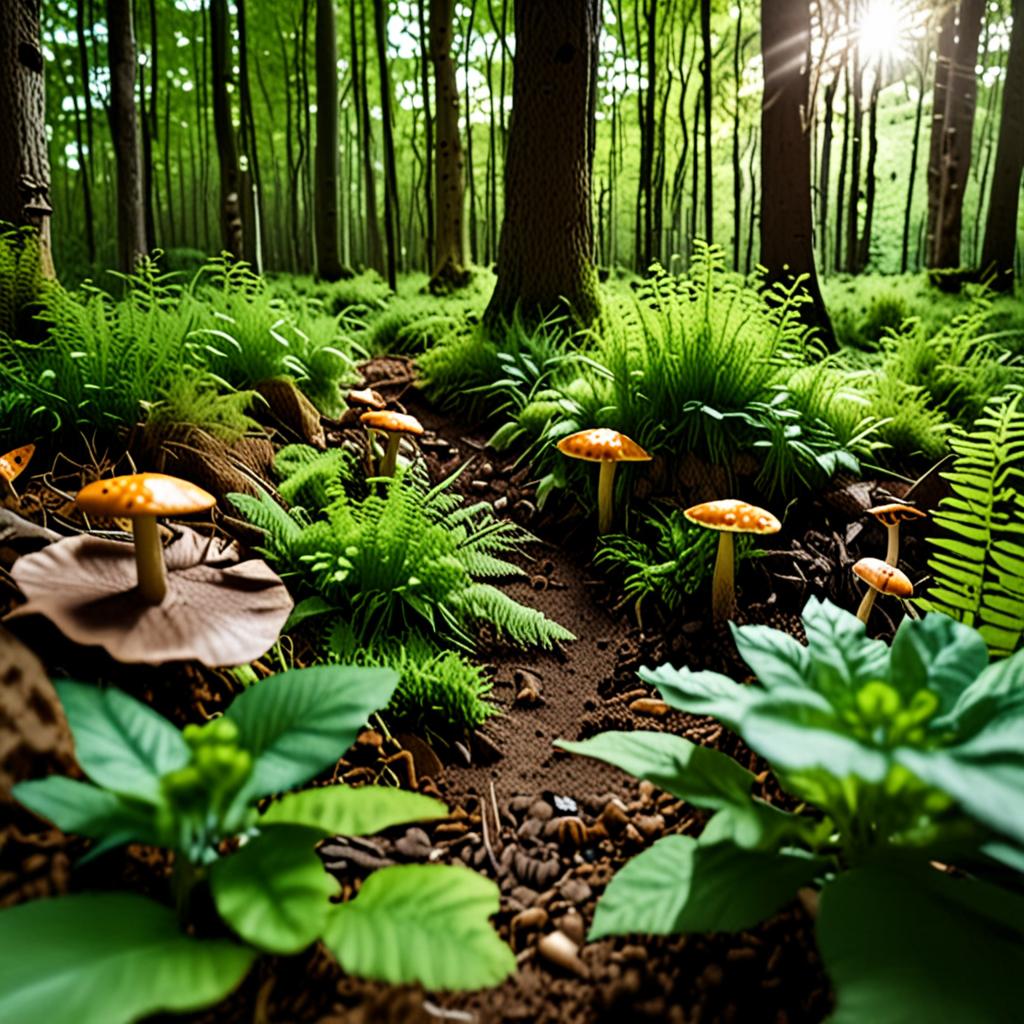
At the heart of our mission is a dedication to sustainable foraging, ensuring that our practices not only support the well-being of our customers but also preserve the integrity of the forest ecosystems. Sustainable Foraging Our Commitment to the Forest is a principle that guides every aspect of our operations, from the careful selection of mushroom species to the meticulous monitoring of their habitats. This commitment is rooted in the understanding that the long-term viability of our products is inextricably linked to the health of the forests from which they are sourced.
Introduction to Sustainable Foraging
Sustainable foraging is more than a practice; it’s a philosophy that recognizes the interconnectedness of all living beings within an ecosystem. It involves a deep respect for nature and a commitment to ensuring that our actions today do not compromise the ability of future generations to meet their needs. For us, this means adopting foraging methods that minimize our impact on the environment, promote biodiversity, and support the regeneration of the forests.
The Importance of Sustainable Practices
The importance of sustainable practices in foraging cannot be overstated. Not only do these practices help in preserving the natural habitats of the mushrooms, but they also play a crucial role in maintaining the quality and potency of the mushrooms themselves. Preliminary research suggests that mushrooms grown in healthy, thriving ecosystems may have a more robust profile of beneficial compounds. Furthermore, sustainable foraging helps in preventing the over-harvesting of mushroom species, which can lead to their decline and even extinction.
Benefits of Sustainable Foraging
Some of the key benefits of sustainable foraging include the preservation of biodiversity, the maintenance of ecosystem health, and the support of local ecosystems. Traditionally, mushrooms have been used for their potential health benefits, and sustainable foraging practices may support these benefits by ensuring that the mushrooms are of the highest quality. More research is needed to fully understand the relationship between sustainable foraging and the quality of mushroom-based products.
Our Approach to Sustainable Foraging
Our approach to sustainable foraging is multifaceted and involves several key strategies. First, we work closely with experienced foragers who have a deep understanding of the forests and the mushroom species that inhabit them. This expertise allows us to identify areas where mushrooms can be harvested without causing harm to the ecosystem. Second, we implement strict guidelines for the amount of mushrooms that can be harvested in any given area, ensuring that we do not over-harvest and thereby protect the long-term viability of the species. Finally, we are committed to ongoing education and research, continually updating our practices to reflect the latest findings in sustainable foraging.
Challenges and Opportunities
While sustainable foraging offers many benefits, it also presents several challenges. One of the main challenges is balancing the demand for mushroom-based products with the need to protect the natural habitats of the mushrooms. This requires careful planning, monitoring, and collaboration with stakeholders. Despite these challenges, we see significant opportunities for growth and innovation in sustainable foraging, from the development of new, more sustainable harvesting techniques to the exploration of previously underutilized mushroom species.
Conclusion and Call to Action
In conclusion, our commitment to sustainable foraging is at the core of our mission to provide high-quality, mushroom-based wellness products while protecting the environment. We believe that by working together, we can make a positive impact on the health of our forests and the well-being of our customers. To learn more about our sustainable foraging practices and how you can support sustainable mushroom sourcing, visit our website or explore our range of products. Remember, every choice you make has the power to influence the future of our forests and the health of our planet.
This content is for general information only and is not medical advice. Our products are not intended to diagnose, treat, cure, or prevent any disease.
Frequently Asked Questions
What is Sustainable Foraging?
Sustainable foraging refers to the practice of harvesting wild mushrooms and other forest products in a way that does not harm the environment or deplete the species being harvested.
Why is Sustainable Foraging Important?
Sustainable foraging is important because it helps preserve the natural habitats of mushrooms, maintains ecosystem health, and supports the long-term viability of mushroom species.
How Do You Ensure Sustainable Foraging Practices?
We ensure sustainable foraging practices by working with experienced foragers, implementing strict harvesting guidelines, and committing to ongoing education and research.
Can Sustainable Foraging Impact the Quality of Mushroom-Based Products?
Preliminary research suggests that sustainable foraging may support the quality and potency of mushrooms by ensuring they are harvested from healthy, thriving ecosystems.
References
For more information on sustainable foraging and its importance, please refer to the following resources:
- United States Department of Agriculture Forest Service
- National Center for Biotechnology Information
- United States Environmental Protection Agency