Posted on — Leave a comment

Stress Relief Supplements: Exploring Mushroom Extracts

Stress Relief Supplements: Exploring Mushroom Extracts

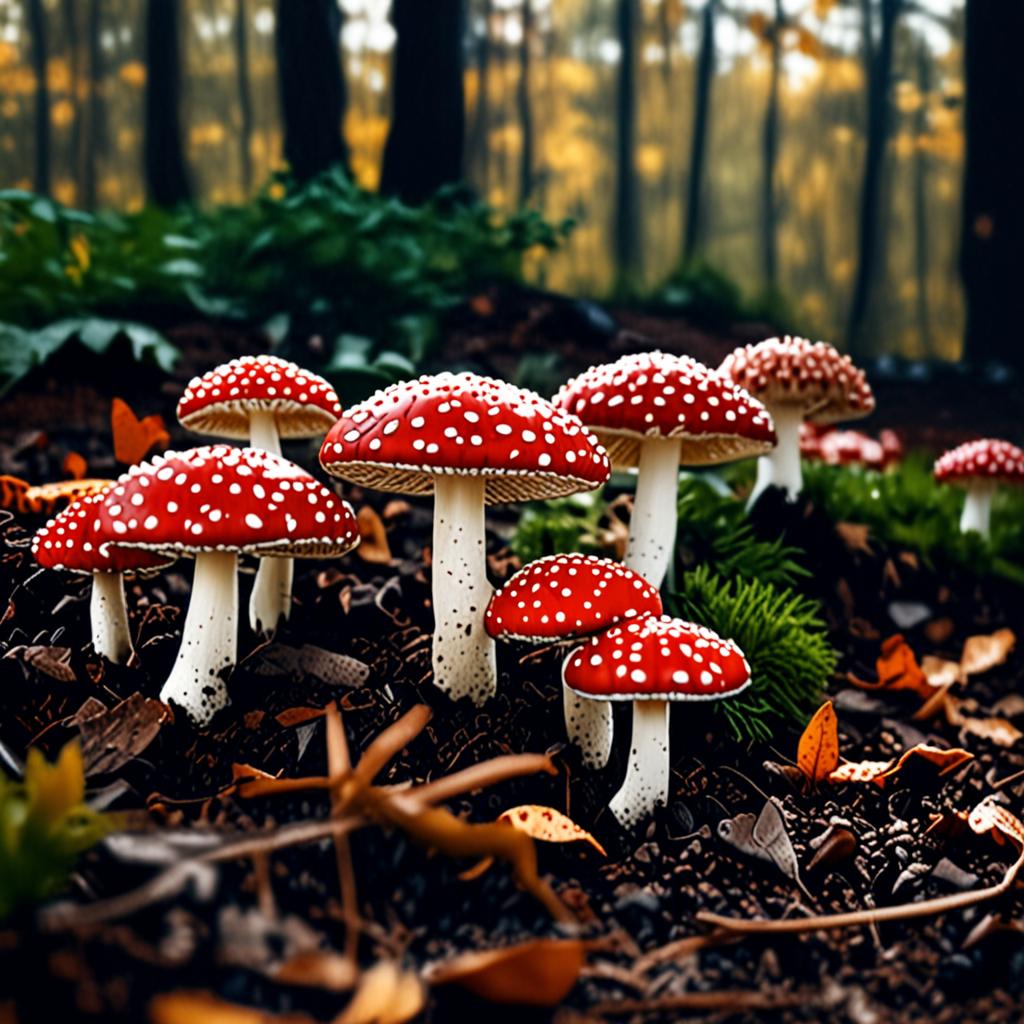
Mushroom extracts have been traditionally used for their potential health benefits, including stress relief. Among these extracts, Amanita muscaria has gained attention for its unique properties. Amanita muscaria extract is one such product that may support stress relief. Preliminary research suggests that muscimol, a compound found in Amanita muscaria, may have a positive effect on stress-induced gastric mucosal damage, as seen in a study where muscimol microinjection into cerebellar fastigial nucleus exacerbated stress-induced gastric mucosal damage in rats.

Introduction to Mushroom Extracts

Mushroom extracts have been used for centuries in traditional medicine, particularly in Asian cultures. These extracts are rich in bioactive compounds, including polysaccharides, polyphenols, and terpenoids, which may contribute to their potential health benefits. Amanita muscaria, also known as the fly agaric mushroom, is one such species that has been used for its medicinal properties.

Properties of Amanita Muscaria

Amanita muscaria contains ibotenic acid and muscimol, two compounds that have been studied for their potential effects on the central nervous system. Muscimol, in particular, has been found to have a suppressive effect on essential tremor and may also have a positive effect on stress-induced gastric mucosal damage. Additionally, some studies have found that muscimol has antioxidant activity and may have neuroprotective effects.

Traditional Use of Amanita Muscaria

Amanita muscaria has been used in traditional medicine for centuries, particularly in Russia and Eastern Europe. The mushroom has been used for its potential health benefits, including anxiety and insomnia. However, it is essential to note that the use of Amanita muscaria should be approached with caution, as it can be toxic if not prepared properly.

Preliminary Research on Amanita Muscaria

Preliminary research on Amanita muscaria suggests that it may have a positive effect on stress relief. Studies have found that muscimol may have a role in regulating glucose metabolism and may have a positive effect on neurotoxicity models. However, more research is needed to fully understand the effects of Amanita muscaria on human health.

FAQs

Q: What is Amanita muscaria?

Amanita muscaria is a species of mushroom that has been used in traditional medicine for centuries. It is also known as the fly agaric mushroom.

Q: What are the potential health benefits of Amanita muscaria?

Preliminary research suggests that Amanita muscaria may have a positive effect on stress relief, anxiety, and insomnia. However, more research is needed to fully understand its effects on human health.

Q: How should I use Amanita muscaria?

Amanita muscaria should be used with caution, as it can be toxic if not prepared properly. It is essential to consult with a healthcare professional before using any supplement, including Amanita muscaria.

Q: Are there any side effects associated with Amanita muscaria?

Preliminary research suggests that Amanita muscaria may have a positive effect on stress relief, but it can also cause side effects if not prepared properly.

Q: Can I use Amanita muscaria with other supplements?

It is essential to consult with a healthcare professional before using any supplement, including Amanita muscaria, with other supplements or medications.

References

Muscimol microinjection into cerebellar fastigial nucleus exacerbates stress-induced gastric mucosal damage in rats

Effects of Amanita muscaria extract on different in vitro neurotoxicity models at sub-cellular and cellular levels

This content is for general information only and is not medical advice. Our products are not intended to diagnose, treat, cure, or prevent any disease. If you have any health concerns, please consult a healthcare professional before using our products.

Consider exploring Amanita muscaria extract as a potential stress relief supplement, and always prioritize your health and well-being by consulting with a healthcare professional before adding any new supplements to your routine.
Posted on — Leave a comment

New Product: Amanita Muscaria Water for Wellness

New Product: Amanita Muscaria Water for Wellness

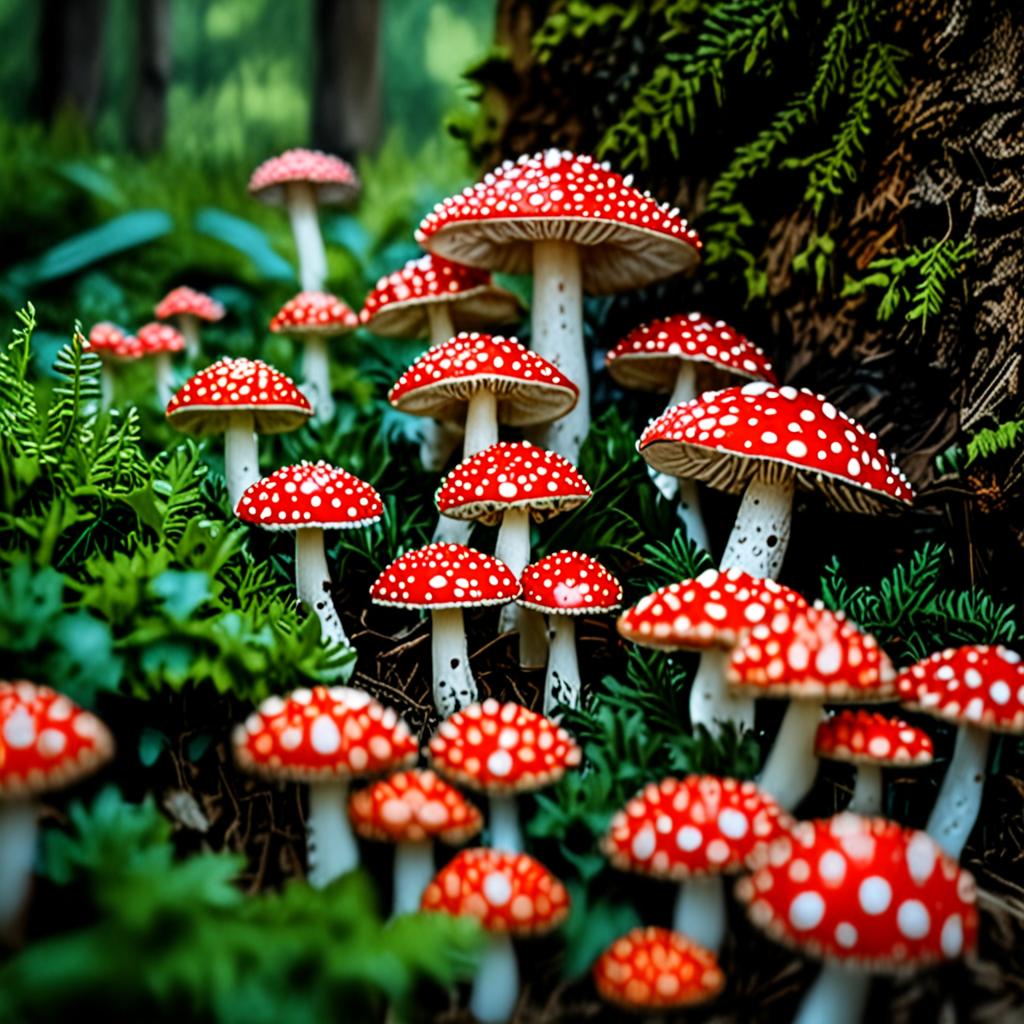
We are excited to introduce our new product, Amanita muscaria water, which may support overall wellness. Amanita muscaria, commonly known as fly agaric, is a basidiomycete that has been traditionally used for its potential health benefits. Preliminary research suggests that Amanita muscaria extracts may have neuroprotective effects, although more research is needed to fully understand its potential benefits.

Introduction to Amanita Muscaria

Amanita muscaria is a mushroom that contains ibotenic acid and muscimol, two compounds that have been found to have potential health benefits. Some studies have found that muscimol, in particular, may have suppressive effects on essential tremor and may also have antioxidant activity. For example, a study published in Food and Chemical Toxicology found that muscimol had neuroprotective effects on different in vitro neurotoxicity models.

Potential Benefits of Amanita Muscaria Water

Our Amanita muscaria water is made from high-quality extracts of the mushroom and may support overall wellness. While the exact benefits of Amanita muscaria water are still being researched, some studies suggest that it may have potential benefits for neuroprotection and antioxidant activity. Additionally, a review of the toxicological and pharmacological profile of Amanita muscaria highlights its potential as a new rising opportunity for biomedicine. Furthermore, research on the protective effect of muscimol suggests that it may have a role in regulating inflammatory responses.

How to Use Amanita Muscaria Water

To get the most out of our Amanita muscaria water, we recommend using it as part of a healthy lifestyle. You can drink it on its own or add it to your favorite recipes. As with any new supplement, be sure to talk to a healthcare professional before using it, especially if you have any underlying health conditions or are taking any medications.

Frequently Asked Questions

Q: What is Amanita muscaria?

Amanita muscaria is a type of mushroom that has been traditionally used for its potential health benefits. It contains ibotenic acid and muscimol, two compounds that have been found to have potential benefits for neuroprotection and antioxidant activity.

Q: How do I use Amanita muscaria water?

We recommend drinking Amanita muscaria water on its own or adding it to your favorite recipes. Be sure to talk to a healthcare professional before using it, especially if you have any underlying health conditions or are taking any medications.

Q: Are there any potential side effects of Amanita muscaria water?

As with any new supplement, there is a potential for side effects. However, Amanita muscaria water is generally considered safe when used as directed. If you experience any side effects, be sure to talk to a healthcare professional.

Q: Can I use Amanita muscaria water if I have a medical condition?

We recommend talking to a healthcare professional before using Amanita muscaria water, especially if you have any underlying health conditions or are taking any medications.

Q: Where can I learn more about Amanita muscaria?

You can learn more about Amanita muscaria by visiting our website or talking to a healthcare professional. We also recommend checking out our blog posts on Amanita muscaria storage and muscimol effects.

References

Effects of Amanita muscaria extract on different in vitro neurotoxicity models at sub-cellular and cellular levels

Toxicological and pharmacological profile of Amanita muscaria (L.) Lam. – a new rising opportunity for biomedicine

The protective effect of muscimol against systemic inflammatory response in endotoxemic mice is independent of GABAergic and cholinergic receptors

This content is for general information only and is not medical advice. Our products are not intended to diagnose, treat, cure, or prevent any disease. If you have any questions or concerns, be sure to talk to a healthcare professional.

Posted on — Leave a comment

Amanita Muscaria Storage: Tips for Optimal Potency

Amanita Muscaria Storage: Tips for Optimal Potency

Proper amanita storage is crucial for maintaining the potency of this unique mushroom. Amanita muscaria, commonly known as fly agaric, contains psychoactive compounds like muscimol, which can be sensitive to environmental factors. To ensure the shelf life and potency of amanita muscaria, it’s essential to store it correctly. In this article, we’ll explore the best practices for storing amanita muscaria and discuss the importance of preserving its natural compounds, including muscimol.

Introduction to Amanita Muscaria

Amanita muscaria is a basidiomycete mushroom native to the Northern Hemisphere. It has been used in traditional medicine for centuries, particularly in Siberian culture. The mushroom contains various bioactive compounds, including muscimol, which is known for its psychoactive properties. Research suggests that muscimol is a potent orthosteric agonist of the GABAA receptor, which may contribute to its potential health benefits.

Importance of Proper Storage

Proper storage is vital for maintaining the potency of amanita muscaria. The mushroom’s natural compounds, including muscimol, can be sensitive to light, temperature, and humidity. Exposure to these environmental factors can cause degradation, reducing the mushroom’s potency and shelf life. To minimize degradation, it’s essential to store amanita muscaria in a cool, dry place, away from direct sunlight.

Best Practices for Amanita Storage

To ensure optimal potency, follow these best practices for storing amanita muscaria:

  • Store in a cool, dry place: Avoid exposing the mushroom to direct sunlight, heat, or moisture.
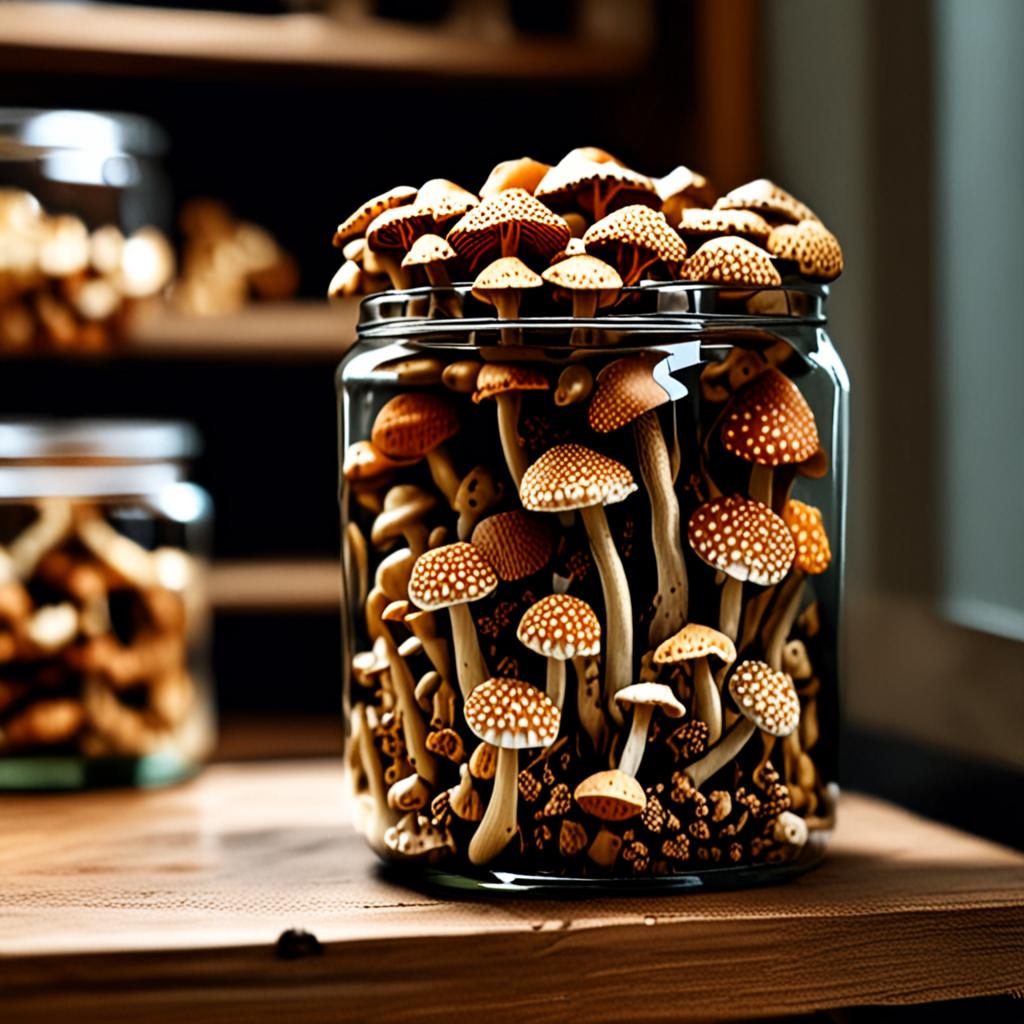
  • Use airtight containers: Store the mushroom in airtight containers to maintain humidity control and prevent contamination.
  • Keep away from light: Light can cause degradation of the mushroom’s natural compounds, so it’s essential to store it in a dark or low-light environment.

By following these best practices, you can help preserve the potency of amanita muscaria and maintain its potential health benefits. Some studies have found that muscimol, a key compound in amanita muscaria, may have neuroprotective effects, highlighting the importance of proper storage to maintain its potency.

Conclusion

In conclusion, proper amanita storage is crucial for maintaining the potency of this unique mushroom. By following best practices, such as storing in a cool, dry place and using airtight containers, you can help preserve the mushroom’s natural compounds, including muscimol. If you’re interested in trying amanita muscaria, consider our Dried Amanita Muscaria Caps, which are carefully harvested and processed to maintain their potency.

FAQs

Q: What is the best way to store amanita muscaria?

A: The best way to store amanita muscaria is in a cool, dry place, away from direct sunlight, using airtight containers to maintain humidity control and prevent contamination.

Q: How long does amanita muscaria remain potent?

A: The potency of amanita muscaria can vary depending on storage conditions, but proper storage can help maintain its potency for several months.

Q: Can I store amanita muscaria in the refrigerator?

A: Yes, you can store amanita muscaria in the refrigerator, but make sure to use airtight containers to maintain humidity control and prevent contamination.

Q: What are the potential health benefits of amanita muscaria?

A: Amanita muscaria has been traditionally used for its potential health benefits, including its psychoactive properties and potential neuroprotective effects. However, more research is needed to fully understand its effects on human health.

References

Use of 3H-muscimol for GABA receptor studies

Muscimol, ein pharmakodynamisch wirksamer Stoff aus Amanita muscaria

This content is for general information only and is not medical advice. Our products are not intended to diagnose, treat, cure, or prevent any disease.

Posted on — Leave a comment

Amanita Extract Chromatography: Understanding the Process

Amanita Extract Chromatography: Understanding the Process

Amanita extract chromatography is a complex process that involves the separation and analysis of various compounds found in Amanita muscaria, a species of mushroom. This process is crucial in understanding the potential benefits and applications of Amanita extracts in wellness. Preliminary research suggests that Amanita muscaria may have neuroprotective effects, as seen in some studies that have found muscimol, a compound found in Amanita muscaria, to have suppressive effects on essential tremor.

Introduction to Amanita Muscaria

Amanita muscaria, commonly known as fly agaric, is a basidiomycete that has been used in traditional medicine for centuries. The main psychoactive constituents of Amanita muscaria are ibotenic acid and muscimol, which have been found to have various effects on the human body. Traditionally, Amanita muscaria has been used for its potential neuroprotective and anti-inflammatory properties.

The Chromatography Process

Chromatography is a laboratory technique used to separate and analyze the components of a mixture. In the case of Amanita extract chromatography, this process involves the use of various solvents and techniques to isolate and identify the different compounds present in the extract. This can include techniques such as gas chromatography and mass spectrometry, which can provide detailed information about the molecular structure and composition of the compounds.

Applications of Amanita Extract Chromatography

The applications of Amanita extract chromatography are diverse and range from pharmaceutical research to food and beverage development. By understanding the composition and properties of Amanita extracts, researchers can develop new products and therapies that utilize the potential benefits of these compounds. Some studies, such as this one, have found that muscimol may have disrupts the conditioned performance of animals on an instrumental reward discrimination task.

Conclusion and Future Directions

In conclusion, amanita extract chromatography is a complex and fascinating field that holds great promise for the development of new wellness products and therapies. While more research is needed to fully understand the potential benefits and applications of Amanita extracts, preliminary research suggests that these compounds may have a range of beneficial effects. For those interested in learning more about Amanita muscaria and its potential benefits, we recommend checking out our Amanita muscaria for anxiety relief guide.

FAQs

What is amanita extract chromatography?

Amanita extract chromatography is a laboratory technique used to separate and analyze the components of Amanita muscaria extracts.

What are the potential benefits of Amanita muscaria?

Preliminary research suggests that Amanita muscaria may have neuroprotective and anti-inflammatory effects, although more research is needed to fully understand its potential benefits.

How is amanita extract chromatography used in research?

Amanita extract chromatography is used in research to develop new products and therapies that utilize the potential benefits of Amanita extracts.

Is amanita extract chromatography safe?

Amanita extract chromatography is a laboratory technique that is generally considered safe when performed by trained professionals.

Where can I learn more about amanita extract chromatography?

For more information on amanita extract chromatography and its potential applications, we recommend checking out our website and consulting with a healthcare professional.

References

Effects of Amanita muscaria extract on different in vitro neurotoxicity models at sub-cellular and cellular levels

Neuropharmacological investigations on muscimol, a psychotropic drug extracted from Amanita muscaria

This content is for general information only and is not medical advice. Our products are not intended to diagnose, treat, cure, or prevent any disease.

Posted on — Leave a comment

How Much Religious History Was Influenced by Amanita Muscaria

How Much Religious History Was Influenced by Amanita Muscaria

The consumption of Amanita Muscaria mushrooms has been a part of human culture for thousands of years, with some studies suggesting that they may have played a role in shaping religious history. How much religious history was influenced by the consumption of these mushrooms is still a topic of debate among scholars. Traditionally used for their psychoactive properties, Amanita Muscaria mushrooms have been used in various cultures for their potential benefits, including their possible effects on mental and spiritual well-being.

Introduction to Amanita Muscaria

Amanita Muscaria, also known as the fly agaric mushroom, is a species of mushroom that is native to Europe and North America. It has been used for centuries in traditional medicine and has been a part of various cultural and religious practices. Some research suggests that the mushroom’s psychoactive properties may have been used to induce spiritual experiences and alter consciousness, which could have influenced the development of certain religious beliefs and practices.

Historical Use of Amanita Muscaria

The historical use of Amanita Muscaria mushrooms dates back to ancient times, with evidence of their use found in various cultures around the world. In some cultures, the mushrooms were considered sacred and were used in rituals and ceremonies to induce spiritual experiences and communicate with the divine. For example, research has shown that muscimol, a psychoactive compound found in Amanita Muscaria, has been used as a GABA receptor agonist, which could have potential benefits for mental health.

Impact on Religious History

The impact of Amanita Muscaria mushrooms on religious history is still a topic of debate among scholars. However, some studies suggest that the mushrooms may have played a role in shaping certain religious beliefs and practices. For example, the use of Amanita Muscaria mushrooms in traditional Siberian culture has been linked to the development of certain shamanic practices and spiritual beliefs. Additionally, research has shown that muscimol, a compound found in Amanita Muscaria, has been used as a GABA analogue, which could have potential benefits for mental health and spiritual well-being.

Conclusion

In conclusion, the consumption of Amanita Muscaria mushrooms has been a part of human culture for thousands of years and may have played a role in shaping religious history. While more research is needed to fully understand the impact of these mushrooms on religious history, preliminary research suggests that they may have been used to induce spiritual experiences and alter consciousness. If you’re interested in learning more about the potential benefits of Amanita Muscaria mushrooms, you can visit our website for more information.

FAQs

What are the potential benefits of Amanita Muscaria mushrooms?

Some studies suggest that Amanita Muscaria mushrooms may have potential benefits for mental health and spiritual well-being, including their possible effects on anxiety and stress relief.

How were Amanita Muscaria mushrooms traditionally used?

Amanita Muscaria mushrooms have been traditionally used in various cultures for their psychoactive properties and potential benefits, including their possible effects on mental and spiritual well-being.

Are Amanita Muscaria mushrooms safe to use?

While Amanita Muscaria mushrooms have been used for centuries in traditional medicine, they can be toxic if not used properly. It’s essential to consult with a healthcare professional before using any mushroom-based products.

Can Amanita Muscaria mushrooms be used for anxiety relief?

Some studies suggest that Amanita Muscaria mushrooms may have potential benefits for anxiety relief, including their possible effects on GABA receptors and mental health.

References

Muscimol as an Ionotropic GABA Receptor Agonist

Use of 3H-muscimol for GABA receptor studies

This content is for general information only and is not medical advice. Our products are not intended to diagnose, treat, cure, or prevent any disease.


Posted on — Leave a comment

Muscimol Effects: Understanding the Science

Muscimol Effects: Understanding the Science

The study of muscimol effects has garnered significant attention in recent years, particularly in the realm of wellness and natural health. Muscimol, a compound found in certain mushroom species, has been traditionally used for its potential benefits. Preliminary research suggests that muscimol may support various aspects of health, although more research is needed to fully understand its effects. In this article, we will delve into the science behind muscimol effects, exploring its benefits, extract, and relationship with ibotenic acid.

Introduction to Muscimol

Muscimol is a naturally occurring compound found in the Amanita muscaria mushroom. It is known to have potential benefits, although the extent of its effects is still being researched. Some studies have found that muscimol may have a positive impact on certain health aspects, but it is essential to approach these findings with caution and recognize that more research is necessary.

The Relationship Between Muscimol and Ibotenic Acid

Ibotenic acid is a compound that can be found in the Amanita muscaria mushroom, alongside muscimol. Preliminary research suggests that ibotenic acid may be transformed into muscimol through a process of decarboxylation. This process may occur naturally or through advanced extraction methods, such as those used in the production of Amanita Muscaria Extract.

Muscimol Benefits and Effects

Traditionally, muscimol has been used for its potential benefits, which may include support for certain aspects of health. Some studies have found that muscimol may have a positive impact on these areas, although it is crucial to note that more research is needed to fully understand its effects. The benefits of muscimol are still being researched, and it is essential to approach any claims with caution.

Muscimol Extract and Its Production

The production of muscimol extract involves advanced methods, such as decarboxylation, to transform ibotenic acid into muscimol. This process requires careful attention to detail and a commitment to quality assurance. The resulting extract may be used in various wellness products, although it is essential to ensure that these products are produced with high-quality ingredients and rigorous testing.

Frequently Asked Questions

What is muscimol?

Muscimol is a naturally occurring compound found in the Amanita muscaria mushroom. It has been traditionally used for its potential benefits, although more research is needed to fully understand its effects.

What are the benefits of muscimol?

The benefits of muscimol are still being researched, and it is essential to approach any claims with caution. Preliminary research suggests that muscimol may support various aspects of health, although more research is necessary to confirm these findings.

How is muscimol extract produced?

The production of muscimol extract involves advanced methods, such as decarboxylation, to transform ibotenic acid into muscimol. This process requires careful attention to detail and a commitment to quality assurance.

What is the relationship between muscimol and ibotenic acid?

Ibotenic acid is a compound that can be found in the Amanita muscaria mushroom, alongside muscimol. Preliminary research suggests that ibotenic acid may be transformed into muscimol through a process of decarboxylation.

Is muscimol safe to use?

It is essential to approach the use of muscimol with caution and recognize that more research is needed to fully understand its effects. It is recommended to consult with a healthcare professional before using any products containing muscimol.

References

PubMed is a reputable source for scientific research on muscimol and its effects.

National Institutes of Health provides information on various health topics, including the potential benefits and risks of muscimol.

ScienceDirect is an online platform that offers access to scientific and technical journals and books, including those related to muscimol research.

In conclusion, the science behind muscimol effects is complex and still being researched. While preliminary research suggests that muscimol may have potential benefits, it is essential to approach any claims with caution and recognize that more research is needed. If you are interested in learning more about muscimol and its potential uses, we recommend consulting with a healthcare professional and exploring reputable sources of information. This content is for general information only and is not medical advice. Our products are not intended to diagnose, treat, cure, or prevent any disease.


Posted on — Leave a comment

What Are The Effects Of Blue Lotus

What Are The Effects Of Blue Lotus

When exploring the world of natural wellness and relaxation, it’s common to come across various substances, including the blue lotus. But what are the effects of blue lotus, and how does it compare to other natural compounds like those found in mushrooms? Traditionally used for its potential to promote relaxation and support overall wellness, blue lotus has garnered attention for its unique properties. However, it’s essential to approach such substances with a critical and informed perspective, understanding both their potential benefits and limitations.

Introduction to Blue Lotus and Its Effects

Blue lotus, known for its beautiful flowers and historical use in traditional medicine, contains compounds that may support relaxation and reduce anxiety. While it’s not directly related to mushroom-based wellness products, understanding its effects can provide insights into the broader realm of natural wellness options. Some studies have found that substances like muscimol, found in certain mushrooms, can have profound effects on the central nervous system, acting as a GABA receptor agonist, which preliminary research suggests may influence sleep and anxiety levels.

Understanding Muscimol and Its Potential Effects

Muscimol, a compound found in the Amanita muscaria mushroom, has been studied for its potential effects on the central nervous system. Research indicates that muscimol can have a significant impact on GABA receptors, which play a crucial role in regulating sleep, anxiety, and other neurological functions. For instance, studies have shown that muscimol can exert beneficial effects on consolidation in passive avoidance situations and exerts anxiolytic activity.

Comparing Blue Lotus to Mushroom-Based Wellness Products

While blue lotus and mushroom-based wellness products like those containing muscimol or other compounds may share some similarities in their potential effects, they are distinct substances with different properties and uses. Mushroom-based products, such as those offered by Calm Mushroom, are designed to support overall wellness, with some products potentially aiding in relaxation and sleep. The choice between blue lotus and mushroom-based products depends on individual preferences and needs, as well as the specific benefits one is seeking. For more information on mushroom-based wellness, consider exploring Amanita Muscaria for Anxiety Relief: A Beginner’s Guide or Calm Mushroom Powder for Relaxation.

Frequently Asked Questions

What is Blue Lotus Used For?

Blue lotus is traditionally used for its potential to promote relaxation and support overall wellness, though its effects can vary based on the individual and the specific preparation used.

How Does Muscimol Compare to Blue Lotus?

Muscimol and blue lotus are distinct substances with different origins and effects. Muscimol is a compound found in certain mushrooms and acts as a GABA receptor agonist, while blue lotus contains different compounds that may also support relaxation but through potentially different mechanisms.

Are Mushroom-Based Wellness Products Safe?

Mushroom-based wellness products, when sourced from reputable manufacturers and used as directed, are generally considered safe. However, it’s crucial to follow dosage guidelines and consult with a healthcare professional if you have any concerns or pre-existing medical conditions.

Can Blue Lotus and Mushroom-Based Products Be Used Together?

The use of blue lotus and mushroom-based products together should be approached with caution. While some individuals may combine these substances, it’s essential to understand their potential interactions and effects. Consulting with a healthcare professional before using any new substances, especially in combination, is highly recommended.

References

Muscimol and Central Nervous System γ-Aminobutyric Acid Receptors: Studies with Ligand-Binding Techniques, https://doi.org/10.1016/b978-0-12-185203-0.50010-0

Contrasting Baroreflex Effects of Muscimol Versus Bicuculline Injected into the Nucleus Tractus Solitarius in Anesthetized Rats, https://doi.org/10.1097/00005344-199509000-00004

This content is for general information only and is not medical advice. Our products are not intended to diagnose, treat, cure, or prevent any disease. For specific health concerns, consult a qualified healthcare professional. If you’re interested in exploring natural wellness products, consider visiting Calm Mushroom for a range of mushroom-based wellness solutions.


Posted on — Leave a comment

Vision Health Supplements with Golden Chanterelle

Vision Health Supplements with Golden Chanterelle

When it comes to maintaining healthy vision, a well-balanced diet and a healthy lifestyle are essential. Some studies have found that certain mushrooms, such as the golden chanterelle, may support vision health due to their unique composition of vitamins, minerals, and antioxidants. Golden chanterelle, in particular, has been traditionally used for its potential to enhance vision and support overall eye health. In this article, we will delve into the potential benefits of golden chanterelle for vision health supplements and explore how it may support overall wellness.

Introduction to Golden Chanterelle

The golden chanterelle, also known as Cantharellus cibarius, is a type of edible mushroom that is native to Europe and North America. It has a fruity, apricot-like aroma and a peach-colored flesh. Golden chanterelle has been used in traditional medicine for centuries, particularly in Europe, where it is valued for its potential to support liver, vision, and skin health. Some preliminary research suggests that golden chanterelle may have antioxidant and anti-inflammatory properties, which could contribute to its potential health benefits.

Golden Chanterelle and Vision Health

While more research is needed to fully understand the effects of golden chanterelle on vision health, some studies have found that it may support the improvement of vision and offer protective benefits for optimal eye health. The unique combination of vitamins, minerals, and antioxidants in golden chanterelle may help to reduce the risk of age-related macular degeneration and other eye disorders. As research on wild herb foraging and sustainable development suggests, the use of natural products like golden chanterelle may contribute to the conservation of ecosystem services and the promotion of human well-being.

Other Potential Benefits of Golden Chanterelle

In addition to its potential benefits for vision health, golden chanterelle may also support liver health, skin rejuvenation, and immune system function. The antioxidants and anti-inflammatory compounds in golden chanterelle may help to protect the liver from damage and promote the growth of new skin cells. Furthermore, the immune-boosting properties of golden chanterelle may help to prevent illnesses and infections. As studies on the GABAergic mechanism suggest, the use of natural products like golden chanterelle may have a positive impact on overall health and well-being.

Conclusion

In conclusion, golden chanterelle may be a valuable addition to vision health supplements due to its potential to support eye health and overall wellness. While more research is needed to fully understand the effects of golden chanterelle, preliminary studies suggest that it may have antioxidant and anti-inflammatory properties. To experience the potential benefits of golden chanterelle, consider incorporating Golden Chanterelle Mushroom Supplements into your daily routine. This content is for general information only and is not medical advice. Our products are not intended to diagnose, treat, cure, or prevent any disease.

Frequently Asked Questions

Q: What are the potential benefits of golden chanterelle for vision health?

A: Golden chanterelle may support the improvement of vision and offer protective benefits for optimal eye health due to its unique composition of vitamins, minerals, and antioxidants.

Q: Can golden chanterelle be used to support liver health?

A: Yes, golden chanterelle may support liver health by reducing the risk of liver damage and promoting the growth of new liver cells.

Q: Are golden chanterelle supplements safe to use?

A: While golden chanterelle supplements are generally considered safe, it is essential to consult with a healthcare professional before using any new supplement, especially if you have any underlying health conditions or are taking medications.

Q: How can I incorporate golden chanterelle into my daily routine?

A: You can incorporate golden chanterelle into your daily routine by taking Golden Chanterelle Mushroom Supplements or by adding fresh or dried golden chanterelle to your meals.

Q: What is the recommended dosage of golden chanterelle supplements?

A: The recommended dosage of golden chanterelle supplements may vary depending on the product and individual needs. It is essential to follow the instructions on the product label and consult with a healthcare professional if you have any questions or concerns.

References

Wild Herb Foraging and Sustainable Development: Links Between Ecosystem Services, Cultural Practices, and Well‐Being in Czech Forest Landscapes

Possible involvement of GABAergic mechanism in protective effect of melatonin against sleep deprivation–induced behaviour modification and oxidative damage in mice

Posted on — Leave a comment

Amanita Regalis: Identification, Effects, and Comparison

Amanita Regalis: Identification, Effects, and Comparison

Amanita regalis is a species of mushroom that has been traditionally used for its potential health benefits. Preliminary research suggests that it may support overall well-being, but more research is needed to fully understand its effects. In this article, we will explore the identification, effects, and comparison of Amanita regalis to other species, including Amanita muscaria and Amanita pantherina.

Introduction to Amanita Regalis

Amanita regalis is a type of mushroom that belongs to the Amanita genus. It is commonly found in Europe and North America, and is known for its distinctive appearance and potential health benefits. Some studies have found that Amanita regalis may have antioxidant and anti-inflammatory properties, although more research is needed to confirm these findings.

Identification of Amanita Regalis

Identifying Amanita regalis can be challenging, as it resembles other species of mushrooms. However, it can be distinguished by its unique characteristics, such as its cap shape and size. Traditionally, Amanita regalis has been used for its potential health benefits, but it is essential to exercise caution when handling or consuming any wild mushroom.

Effects of Amanita Regalis

The effects of Amanita regalis are not fully understood, but preliminary research suggests that it may have potential health benefits. For example, one study found that muscimol, a compound found in Amanita muscaria, may have anti-inflammatory properties. Additionally, another study found that Amanita muscaria extract may have antioxidant and anti-inflammatory effects.

Comparison to Other Species

Amanita regalis can be compared to other species of mushrooms, such as Amanita muscaria and Amanita pantherina. While these species share some similarities, they also have distinct differences. For example, Amanita muscaria is known for its psychoactive properties, while Amanita pantherina is traditionally used for its potential health benefits.

Frequently Asked Questions

What are the potential health benefits of Amanita regalis?

Amanita regalis may have potential health benefits, including antioxidant and anti-inflammatory properties. However, more research is needed to fully understand its effects.

How can I identify Amanita regalis?

Amanita regalis can be identified by its unique characteristics, such as its cap shape and size. However, it is essential to exercise caution when handling or consuming any wild mushroom.

Can I use Amanita regalis for medicinal purposes?

While Amanita regalis may have potential health benefits, it is essential to consult with a healthcare professional before using it for medicinal purposes.

Is Amanita regalis safe to consume?

Amanita regalis can be safe to consume when properly identified and prepared. However, it is essential to exercise caution when handling or consuming any wild mushroom.

References

The following studies provide more information on the effects of Amanita regalis and its comparison to other species: The protective effect of muscimol against systemic inflammatory response in endotoxemic mice is independent of GABAergic and cholinergic receptors, Effects of Amanita muscaria extract on different in vitro neurotoxicity models at sub-cellular and cellular levels, and The GABAA agonist muscimol encapsulated in liposomes as a tool for the chronic inhibition of the central nervous system.

In conclusion, Amanita regalis is a species of mushroom that has been traditionally used for its potential health benefits. While preliminary research suggests that it may have antioxidant and anti-inflammatory properties, more research is needed to fully understand its effects. If you are interested in learning more about Amanita regalis or other species of mushrooms, we recommend consulting with a healthcare professional or visiting our website for more information. This content is for general information only and is not medical advice. Our products are not intended to diagnose, treat, cure, or prevent any disease.


Posted on — Leave a comment

Muscimol Sleep: Unlocking the Science

Muscimol Sleep: Unlocking the Science

The relationship between muscimol and sleep has garnered significant attention in recent years, with some studies suggesting that muscimol, a compound found in the Amanita muscaria mushroom, may support a restful night’s sleep. Muscimol benefits have been traditionally used for various purposes, including sleep support. In this article, we will delve into the science behind muscimol and its potential effects on sleep, as well as explore the traditional uses of Amanita muscaria for sleep support.

Introduction to Muscimol and Sleep

Muscimol is a potent GABA receptor agonist, which means it can stimulate the activity of GABA, a neurotransmitter that helps regulate sleep and relaxation. Preliminary research suggests that muscimol may have a positive effect on sleep quality, although more research is needed to fully understand its effects. Amanita muscaria, the mushroom from which muscimol is derived, has been used for centuries in traditional medicine for its potential sleep-supporting properties.

The Science Behind Muscimol and Sleep

Studies have shown that muscimol can stimulate GABA receptors, leading to a calming effect on the nervous system. This can result in a range of benefits, including reduced anxiety and stress, which are common barriers to a restful night’s sleep. Some research has also suggested that muscimol may have a direct impact on sleep patterns, although the exact mechanisms are not yet fully understood.

GABA Receptors and Sleep

GABA receptors play a crucial role in regulating sleep and wakefulness. When GABA receptors are activated, they can help to reduce the activity of neurons that are responsible for keeping us awake, leading to a state of relaxation and reduced anxiety. Muscimol, as a GABA receptor agonist, may help to support this process, leading to improved sleep quality.

Traditional Uses of Amanita Muscaria for Sleep Support

Amanita muscaria has been used for centuries in traditional medicine for its potential sleep-supporting properties. The mushroom has been used in various forms, including teas, tinctures, and capsules, to support relaxation and improve sleep quality. While the exact mechanisms are not yet fully understood, traditional uses suggest that Amanita muscaria may have a positive effect on sleep patterns.

For those interested in exploring the potential benefits of Amanita muscaria for sleep support, Dried Amanita Muscaria Caps may be a useful resource.

Frequently Asked Questions

What is muscimol and how does it affect sleep?

Muscimol is a compound found in the Amanita muscaria mushroom that may support a restful night’s sleep by stimulating GABA receptors and reducing anxiety and stress.

Can Amanita muscaria be used for sleep support?

Yes, Amanita muscaria has been traditionally used for its potential sleep-supporting properties, although more research is needed to fully understand its effects.

How does muscimol compare to other sleep-supporting compounds?

Muscimol is a unique compound that may have a positive effect on sleep quality, although its exact mechanisms and effects are not yet fully understood.

Is muscimol safe to use for sleep support?

While muscimol may have potential benefits for sleep support, it is essential to consult with a healthcare professional before using any new supplement, as individual results may vary.

What are the potential benefits of using Amanita muscaria for sleep support?

The potential benefits of using Amanita muscaria for sleep support include improved sleep quality, reduced anxiety and stress, and increased relaxation, although more research is needed to fully understand its effects.

References

Ethanol stimulates gamma-aminobutyric acid receptor-mediated chloride transport in rat brain synaptoneurosomes

The sedative component of anesthesia is mediated by GABAA receptors in an endogenous sleep pathway

GABA Induces Functionally Active Low‐Affinity GABA Receptors on Cultured Cerebellar Granule Cells

Conclusion

In conclusion, the relationship between muscimol and sleep is complex and not yet fully understood. While preliminary research suggests that muscimol may have a positive effect on sleep quality, more research is needed to fully understand its effects. For those interested in exploring the potential benefits of Amanita muscaria for sleep support, Dried Amanita Muscaria Caps may be a useful resource. This content is for general information only and is not medical advice. Our products are not intended to diagnose, treat, cure, or prevent any disease.