
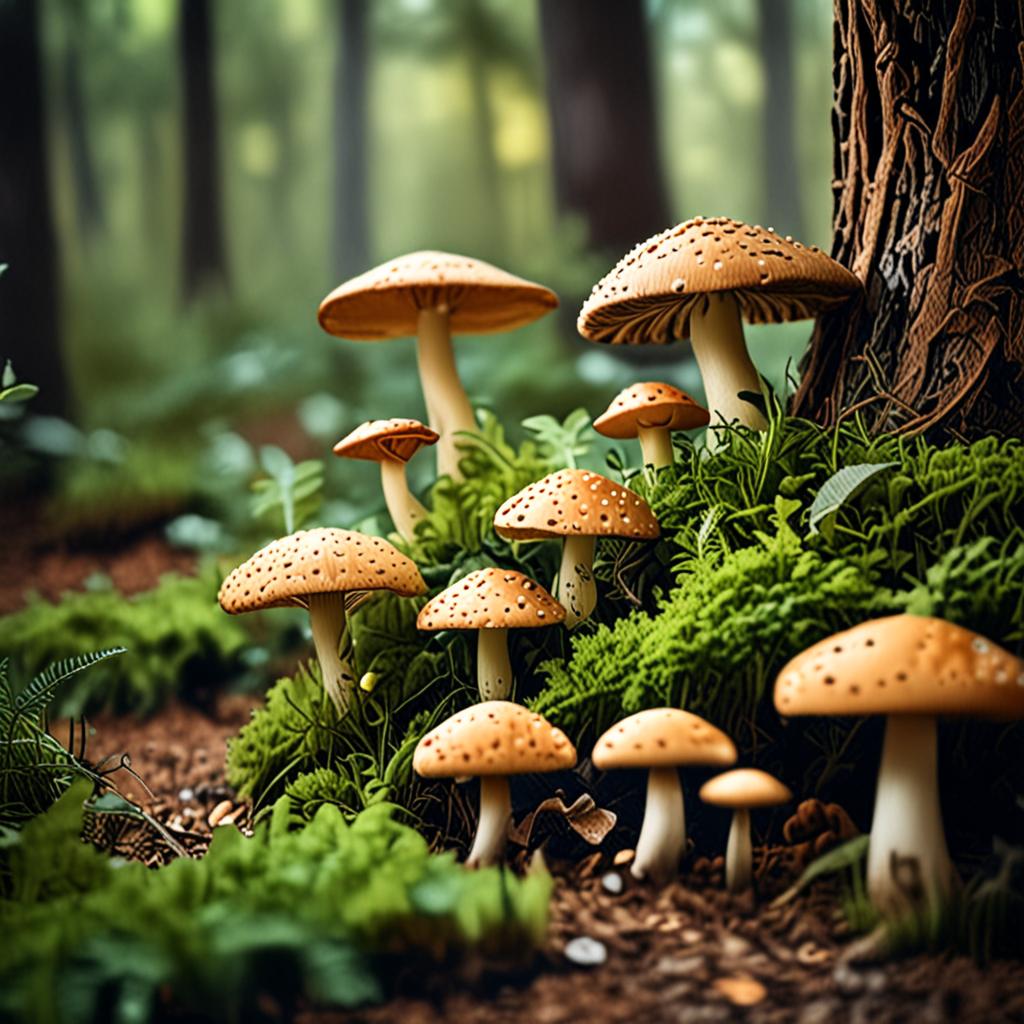
The terms wild-harvested mushrooms and cultivated mushrooms differ significantly. In this article, we’ll explore the unique characteristics and implications for natural wellness and sustainability of wild-harvested mushrooms.
Introduction to Wild-Harvested Mushrooms
Wild-harvested mushrooms are, as the name suggests, mushrooms that are harvested from their natural habitats in the wild. This can include forests, mountains, and other areas where mushrooms grow freely. In contrast, cultivated mushrooms are grown in controlled environments, such as farms or greenhouses, using specialized techniques and equipment.
The Characteristics of Wild-Harvested Mushrooms
Nutrient Profile
Wild-harvested mushrooms may have a distinct nutrient profile due to their natural growth environment. Preliminary research suggests that some wild-harvested mushrooms could have a varied nutrient content, but more human research is needed to fully understand their nutritional properties.
Traditional Use
Wild-harvested mushrooms have been traditionally used for their potential health benefits, although their effects on human health are not fully understood. Some animal and cell studies indicate that certain compounds found in mushrooms may have potential benefits, but these findings are limited and require further investigation.
The Drawbacks of Cultivated Mushrooms
Potential for Contamination
Cultivated mushrooms may be more prone to contamination due to the use of pesticides, heavy metals, and other chemicals in the cultivation process. This can have negative implications for human health and the environment.
Sustainability and Environmental Impact
Wild-harvested mushrooms tend to have a lower environmental impact compared to cultivated mushrooms, as they do not require the use of resources such as water, energy, and land. However, the sustainability of wild-harvested mushrooms depends on various factors, including harvesting methods and environmental conditions.
FAQs
- What is the difference between wild-harvested and cultivated mushrooms? Wild-harvested mushrooms are harvested from their natural habitats in the wild, while cultivated mushrooms are grown in controlled environments.
- Are wild-harvested mushrooms more nutritious than cultivated mushrooms? The nutrient profiles of wild-harvested and cultivated mushrooms can vary, and more research is needed to fully understand their nutritional properties.
- Are cultivated mushrooms bad for the environment? The environmental impact of cultivated mushrooms depends on the specific cultivation methods used, but they may have a higher environmental impact due to the use of resources and production of waste.
- Can I grow my own wild-harvested mushrooms at home? It is possible to grow your own mushrooms at home, but it may be challenging to replicate the exact conditions and nutrient profile of wild-harvested mushrooms.
- Where can I buy high-quality wild-harvestedMushroom Products mushrooms? You can buy high-quality wild-harvested mushrooms from reputable suppliers, such as Calmmushroom, that prioritize sustainability and quality.
Conclusion
In conclusion, the difference between wild-harvested mushrooms and cultivated mushrooms is significant, with implications for mushroom quality, natural wellness, and sustainability. While some preliminary research suggests potential benefits of wild-harvested mushrooms, more human research is needed to fully understand their effects. To learn more about wild-harvested mushrooms and to purchase high-quality products, visit Calmmushroom today.
Please note that the content of this article is for general wellness information only and is not intended to diagnose, treat, cure, or prevent any disease. The products mentioned are not intended to diagnose, treat, cure, or prevent any disease. If you have any health concerns, please consult a qualified healthcare professional.