
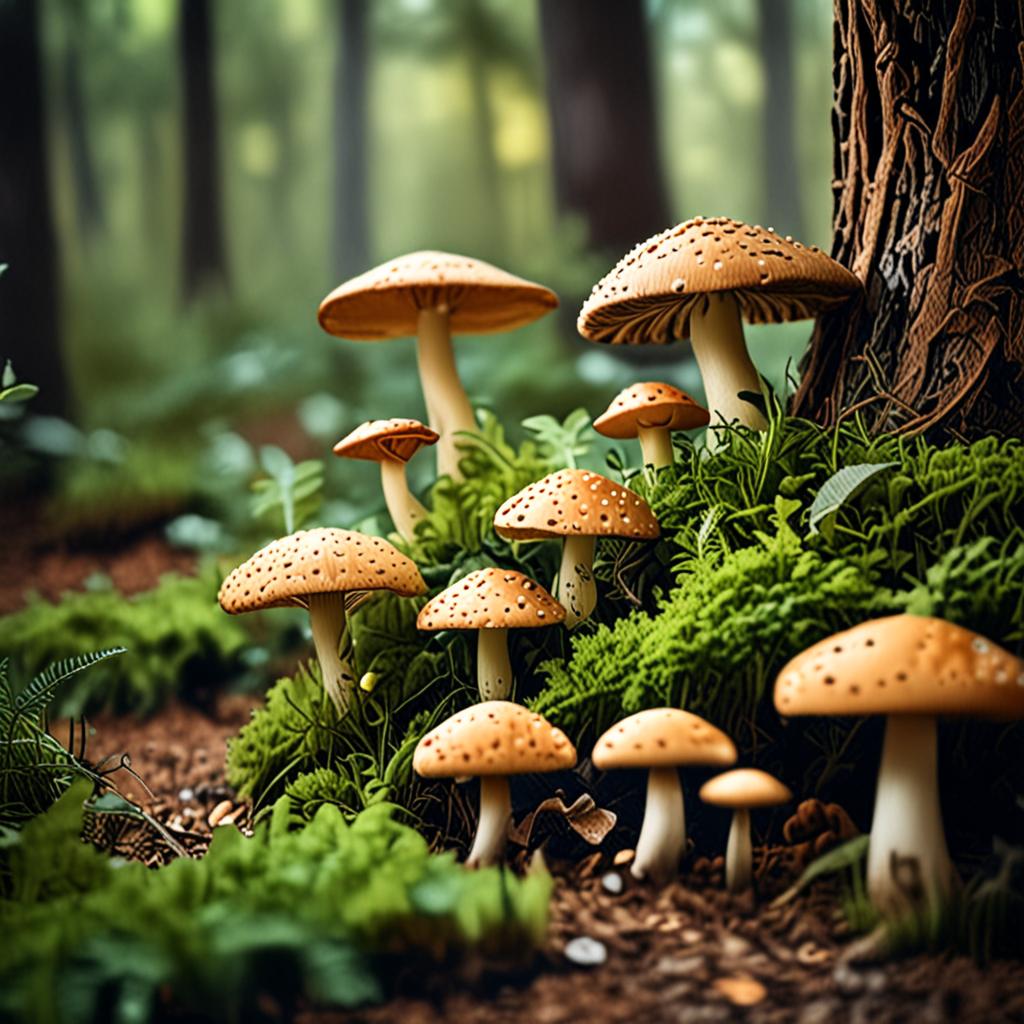
The terms wild-harvested mushrooms and cultivated mushrooms differ significantly. In this article, we’ll explore the unique characteristics, benefits, and implications for natural wellness and sustainability of wild-harvested mushrooms.
Introduction to Wild-Harvested Mushrooms
Wild-harvested mushrooms are, as the name suggests, mushrooms that are harvested from their natural habitats in the wild. This can include forests, mountains, and other areas where mushrooms grow freely. In contrast, cultivated mushrooms are grown in controlled environments, such as farms or greenhouses, using specialized techniques and equipment.
The Benefits of Wild-Harvested Mushrooms
Higher Nutrient Content
Wild-harvested mushrooms tend to have a higher nutrient content compared to cultivated mushrooms. This is because they are able to absorb a wider range of nutrients and minerals from their natural environment, resulting in a more complex and robust nutritional profile.
Unique Medicinal Properties
Wild-harvested mushrooms have been found to possess unique medicinal properties that are not always present in cultivated mushrooms. For example, some species of wild-harvested mushrooms, such as Amanita muscaria, have been shown to have antitumor activity against melanoma. Preliminary research suggests that these properties may be beneficial for a range of health conditions.
The Drawbacks of Cultivated Mushrooms
Limited Nutrient Content
Cultivated mushrooms, on the other hand, may have limited nutrient content due to the controlled environment in which they are grown. This can result in a less complex and less robust nutritional profile compared to wild-harvested mushrooms.
Potential for Contamination
Cultivated mushrooms may also be more prone to contamination due to the use of pesticides, heavy metals, and other chemicals in the cultivation process. This can have negative implications for human health and the environment, as some studies have found with regards to the chemistry of the genus Amanita.
Sustainability and Environmental Impact
Wild-harvested mushrooms tend to have a lower environmental impact compared to cultivated mushrooms. This is because they do not require the use of resources such as water, energy, and land, and do not result in the production of waste or pollution. The use of wild-harvested mushrooms, such as Amanita muscaria, has been a part of human history for centuries, with some species being used for their medicinal and psychoactive properties.
FAQs
- What is the difference between wild-harvested and cultivated mushrooms? Wild-harvested mushrooms are harvested from their natural habitats in the wild, while cultivated mushrooms are grown in controlled environments.
- Are wild-harvested mushrooms more nutritious than cultivated mushrooms? Yes, wild-harvested mushrooms tend to have a higher nutrient content and more complex nutritional profile compared to cultivated mushrooms.
- Are cultivated mushrooms bad for the environment? Cultivated mushrooms may have a higher environmental impact due to the use of resources and production of waste, but this can vary depending on the specific cultivation methods used.
- Can I grow my own wild-harvested mushrooms at home? It is possible to grow your own mushrooms at home, but it may be challenging to replicate the exact conditions and nutrient profile of wild-harvested mushrooms.
- Where can I buy high-quality wild-harvested mushrooms? You can buy high-quality wild-harvested mushrooms from reputable suppliers, such as Calmmushroom, that prioritize sustainability and quality.
Conclusion
In conclusion, the difference between wild-harvested mushrooms and cultivated mushrooms is significant, with implications for mushroom quality, natural wellness, and sustainability. By choosing wild-harvested mushrooms, you can potentially benefit from a more complex and robust nutritional profile, unique medicinal properties, and a lower environmental impact. To learn more about the benefits of wild-harvested mushrooms and to purchase high-quality products, visit Calmmushroom today.
References
- An α-D-galactan and a β-D-glucan from the mushroom Amanita muscaria: Structural characterization and antitumor activity against melanoma https://doi.org/10.1016/j.carbpol.2021.118647
- The most widely recognized mushroom: Chemistry of the genus Amanita https://doi.org/10.1016/j.lfs.2005.09.003
- PHARMACOLOGICALLY AND TOXICOLOGICALLY RELEVANT COMPONENTS OF Amanita muscaria https://doi.org/10.31482/mmsl.2017.020