Posted on — Leave a comment

Amanita Muscaria for Stress Relief

Amanita Muscaria for Stress Relief

Unlocking the Power of Amanita Muscaria for Stress ReliefStress and Sleep Support

The Amanita ExtractAmanita Muscaria benefits for stress relief and sleep support have been gaining attention in recent years. Amanita Muscaria, a species of mushroom, has been used for centuries in traditional medicine to promote relaxation and reduce anxiety. The muscimol extract, a bioactive compound found in Amanita Muscaria, is believed to be responsible for its therapeutic effects. In this article, we will delve into the world of Amanita Muscaria and explore its potential benefits for natural wellness, including amanita muscaria stress relief and the benefits of muscimol.

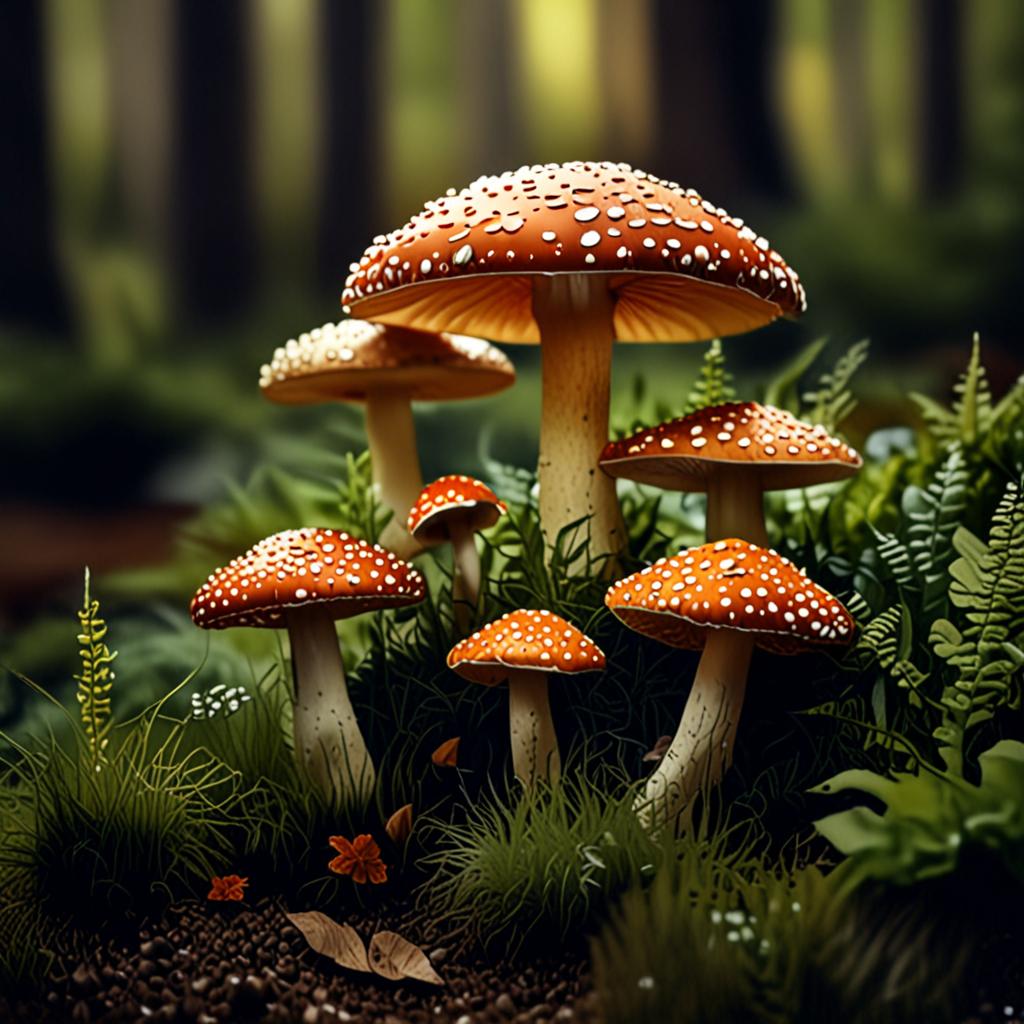
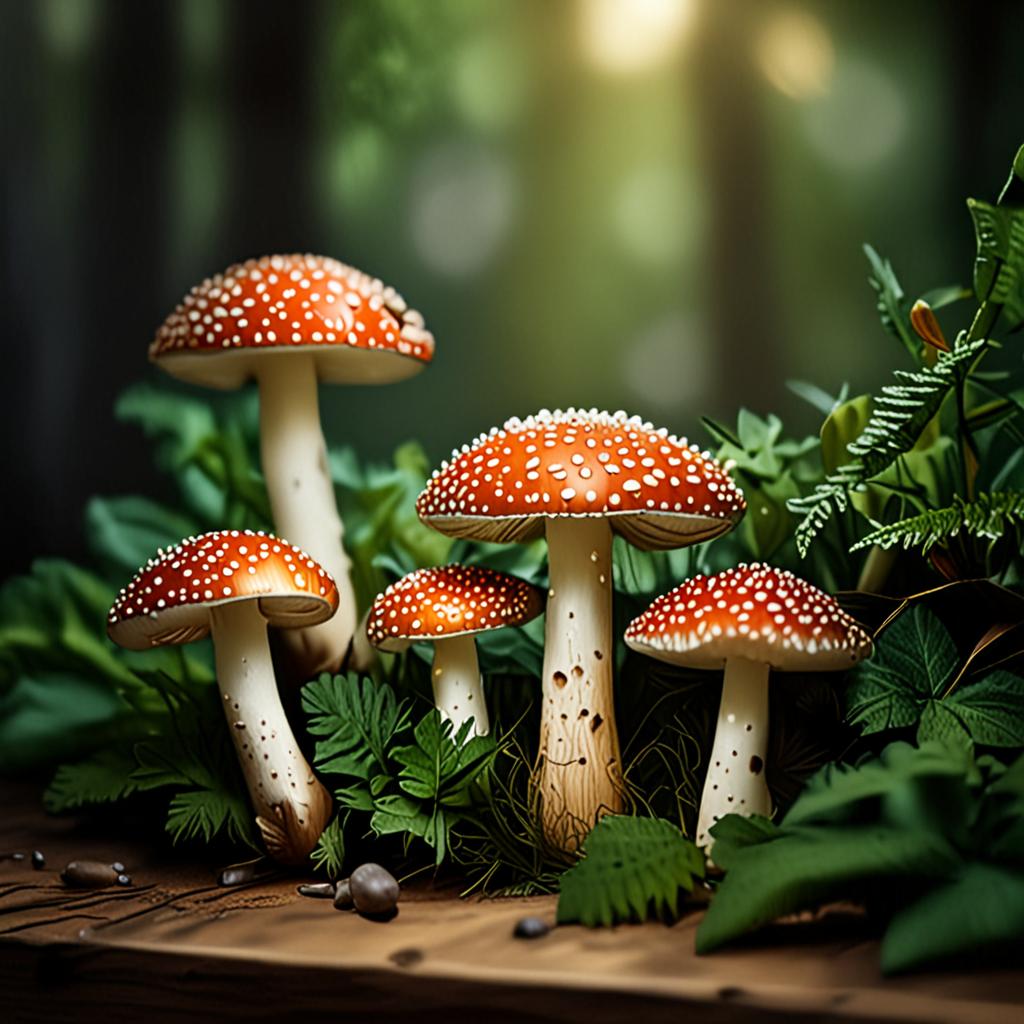
Amanita Muscaria, also known as the fly agaric, is a type of mushroom that grows in the wild. It has been used in traditional medicine for centuries, particularly in Eastern Europe and Asia. The mushroom contains a unique combination of bioactive compounds, including muscimol, that have been shown to have a positive impact on amanita muscaria stress relief and sleep support.

The muscimol extract found in Amanita Muscaria has been studied for its potential therapeutic effects. Research has shown that muscimol can interact with the body’s GABA receptors, which play a crucial role in regulating stress and anxiety. By enhancing GABA activity, muscimol may help to promote relaxation and reduce amanita muscaria stress levels.

Amanita Muscaria has also been traditionally used to support Sleep Supportsleep. The muscimol extract has been shown to have a sedative effect, which can help to improve sleep quality and duration. Additionally, Amanita Muscaria may help to regulate the body’s circadian rhythms, which can become disrupted due to stress and anxiety.

For those looking to use Amanita Muscaria for stress relief, it can be consumed as a supplement, either in capsule or powder form. It can also be used to make tea or added to food and beverages. However, it is essential to note that Amanita Muscaria should be used under the guidance of a healthcare professional, as it can interact with certain medications.

Amanita Muscaria can be combined with other natural remedies to enhance its therapeutic effects. For example, combining Amanita Muscaria with ashwagandha or valerian root may help to promote relaxation and reduce amanita muscaria stress levels. Additionally, Amanita Muscaria can be used in conjunction with mindfulness practices, such as meditation or yoga, to enhance its benefits.

Visit our website at https://calmmushroom.shop to learn more about Amanita Muscaria and other natural wellness products. Please note that the content is for general wellness information, not medical advice, and the products are not intended to diagnose, treat, cure, or prevent any disease.

Posted on — Leave a comment

How to Improve Vision Naturally with Golden Chanterelle Capsules

How to Improve Vision Naturally: The Hidden Power of Golden Chanterelle Capsules

In an era defined by blue light screens and digital fatigue, our eyes are under constant siege. While modern medicine offers corrective solutions, many seekers of holistic wellness are asking a fundamental question: How to improve vision naturally?

The answer may lie deep within the forest floor. While many associate mushrooms solely with culinary delight or stress relief, the Golden Chanterelle (Cantharellus cibarius) holds a specific, potent profile of vitamins and amino acids that have been traditionally revered for enhancing eyesight and combating night blindness.

As the Amanita Scholar, I invite you to explore the intersection of ancient fungal wisdom and modern nutritional science.

The Problem: Digital Strain and Nutritional Gaps

Our eyes require specific nutrients to repair retinal damage and maintain visual acuity in low light. A deficiency in Vitamin A, specifically, is a primary cause of night blindness (nyctalopia) and dry eyes. While synthetic supplements exist, the body often struggles to absorb them efficiently.

This is where the Golden Chanterelle steps in—a natural, bioavailable source of vision-supporting compounds.

Mechanism of Action: The Science of the Golden Chanterelle

To understand chanterelle mushroom vision benefits, we must look at their chemical composition. Unlike the psychoactive compounds found in other species, Chanterelles are nutritional powerhouses.

1. Natural Vitamin A & Beta-Carotene

Chanterelles are famously rich in carotenoids, particularly beta-carotene, which the body converts into Vitamin A. This vitamin is essential for the formation of rhodopsin, a pigment in the retina that helps the eye adapt to low-light conditions.

2. Ergosterol (Vitamin D2)

High levels of ergosterol in Chanterelles convert to Vitamin D2. Emerging studies suggest Vitamin D plays a crucial role in reducing inflammation in the eyes and supporting age-related macular health.

3. Polysaccharides and Immune Support

Like many medicinal fungi, Chanterelles are rich in polysaccharides. These long-chain carbohydrates modulate the immune system and reduce oxidative stress, which contributes to cellular aging in the eye and skin.
Read more about this mechanism here: Polysaccharides & Beta-Glucans: The Science of Mushroom Potency

4. Golden Chanterelle Skin Rejuvenation

The same antioxidants that protect the eyes also support the skin. The high mineral content (copper and potassium) combined with amino acids aids in maintaining skin elasticity and hydration, making Chanterelles a dual-purpose ally for beauty and vision.

—

A Note on Functional Mushroom Safety: Muscimol & Ibotenic Acid

At Calm Mushroom, we believe in total transparency regarding fungal chemistry. While Chanterelles are purely nutritional, our flagship work involves the Amanita Muscaria. It is vital to understand the difference in compounds when exploring the wider world of functional mushrooms.

While Chanterelles nourish the body with vitamins, Amanita Muscaria interacts with the nervous system.

* Ibotenic Acid: In raw Amanita mushrooms, this compound is neurotoxic and can cause agitation.
Decarboxylation (The Safety Key):** Through a meticulous process of heat and drying (decarboxylation), Ibotenic Acid is converted into *Muscimol.
Muscimol:** This is the desired active compound. It acts as a potent agonist for *GABA-A receptors in the brain. Because it mimics the body’s natural GABA (gamma-aminobutyric acid), it promotes profound relaxation, restorative sleep, and anxiety relief without the agitation of Ibotenic Acid.

Always prioritize safety. Whether consuming Chanterelles for vision or Amanita for sleep, understanding the preparation method is the difference between a remedy and a risk.

—

Traditional vs. Modern Use

The Forest Gold

Historically, in European and Russian folklore, Chanterelles were not just prized for their apricot-like aroma but were prescribed as a folk remedy for “night blindness” and respiratory infections. They were seen as a tonic for the liver and the eyes.
Learn more about detox properties here: The Best Mushroom for Liver Health: How Golden Chanterelle Supports Detox and Restoration

Modern Application

Today, we utilize supplements for eye health that concentrate these benefits. Dried and encapsulated Chanterelle powder ensures a consistent dose of carotenoids without the need for daily foraging.

—

Holistic Support: Restoring the Eyes Through Sleep

While Golden Chanterelles provide the building blocks* for eye health (Vitamin A), your body performs the actual *repair work while you sleep. Lack of sleep increases eye strain and prevents retinal recovery.

Therefore, a truly holistic approach to improving vision involves combining nutrient intake with deep, restorative rest. For this, we recommend our specialized Amanita Muscaria products to calm the mind and ensure your body can utilize the nutrients you provide it.

Product Recommendations

1. For Deep Rest & Recovery (Liquid Format)
To ensure you get the sleep necessary for eye repair, consider our water-based extract.
* Recommendation: Calm Mushroom Extract

2. For Consistent Mood & Balance
If stress is causing physical tension (including eye strain), consistent microdosing can help regulate your nervous system.
* Recommendation: Calm Mushroom Microdosing Capsules

3. For Traditional Preparation
For those who prefer the ritual of preparing their own tea or formulations.
* Recommendation: Dried Amanita Muscaria Caps

4. Versatile Daily Use
A versatile powder that can be added to smoothies or foods for general wellness.
* Recommendation: Calm Mushroom Powder

—

FAQ: Natural Vision Improvement

Q: Can Golden Chanterelles cure blindness?
A: No. While they contain natural vitamin A for eyes which supports retinal health and can improve night vision significantly in those with deficiencies, they cannot reverse structural blindness or severe genetic conditions.

Q: How long does it take to see results?
A: Natural remedies work with the body’s metabolic cycles. Consistent supplementation over 4-8 weeks is typically required to notice improvements in night vision or reduction in eye fatigue.

Q: Are there side effects to Chanterelle capsules?
A: Chanterelles are culinary mushrooms and are generally very safe. However, always consult your physician before starting new supplements for eye health, especially if you are pregnant or on medication.

Q: Why do you mention Amanita Muscaria in a Chanterelle article?
A: We believe in a full-spectrum approach. Chanterelles provide the nutrients*, while Amanita Muscaria (via Muscimol) provides the *rest required for those nutrients to work effectively.

—

Conclusion

To improve vision naturally, we must look beyond simple eye drops. It requires a synergy of proper nutrition—specifically the rich carotenoids found in Golden Chanterelles—and the restorative power of deep sleep.

By integrating the ancient wisdom of the Chanterelle with the calming science of Amanita Muscaria, you create a biological environment where your eyes can heal, sharpen, and thrive.

Disclaimer: The information provided here is for educational purposes only and has not been evaluated by the FDA. These products are not intended to diagnose, treat, cure, or prevent any disease. Always consult with a healthcare professional before starting any new supplement regimen, especially if you have pre-existing health conditions.

Curious about the history of these botanical allies?
Check out our curated list of reading materials: Top 10 Essential Books on Amanita Muscaria: History, Identification & Traditional Uses

Posted on — Leave a comment

The Best Mushroom for Liver Health: How Golden Chanterelle Supports Detox and Restoration

The Best Mushroom for Liver Health: How Golden Chanterelle Supports Detox and Restoration

In the modern world, our bodies are constantly navigating a sea of stressors—from environmental pollutants to processed foods. The liver plays a crucial role in managing this burden. As we seek natural ways to support liver health, ancient fungal wisdom offers a potential solution.

While many look to milk thistle, mycology enthusiasts and researchers are turning their gaze toward a forest treasure often overlooked for its potential medicinal value: the Golden Chanterelle (Cantharellus cibarius).

As the “Wise Guide” of Calm Mushroom, I invite you to explore the traditional use and preliminary research behind this golden fungus and understand how pairing it with the calming properties of Amanita Muscaria may create a holistic foundation for total body health.

The Science of the Golden Chanterelle: A Potential Hepatic Ally

When looking for a mushroom for liver health, the Golden Chanterelle stands out not just for its culinary delight, but for its nutrient density and chemical profile.

1. Polysaccharides and Immunomodulation

Central to the potential healing properties of medicinal mushrooms are polysaccharides, specifically beta-glucans. These complex sugars may communicate with our immune system.

Preliminary research suggests that the polysaccharides found in Golden Chanterelles may exhibit potential liver-protecting properties. They may help reduce inflammation within liver tissue, allowing the organ to focus on its primary job: filtration. For a deeper dive into how these compounds work, read our article on Polysaccharides & Beta-Glucans: The Science of Mushroom Potency.

2. Vitamin D and General Wellness

The liver is crucial for processing Vitamin D, but it also requires it to function. Chanterelles are among the highest natural plant sources of Vitamin D2 (ergocalciferol). Some studies indicate that adequate Vitamin D levels are important for overall health.

3. Antioxidant Profile

The metabolic process of detoxification may create free radicals. Golden Chanterelle has a rich antioxidant profile, which may help neutralize these free radicals and support the body’s natural defense mechanisms.

—

The Gut-Brain-Liver Axis: Why Stress Management Matters

You might ask: “If I want liver health, why should I care about stress?”

The answer lies in the Gut-Brain-Liver axis*. When you are stressed, your body produces cortisol. Excess cortisol may signal the liver to produce more glucose and can lead to fatty liver deposits over time. Therefore, managing stress may be beneficial for overall liver health.

This is where our specialty at Calm Mushroom—the Amanita Muscaria—becomes a potential partner to your liver health regimen. While Chanterelles may support the organ, Amanita may support the system that governs it.

Understanding the Chemistry of Calm

To safely utilize Amanita Muscaria for stress reduction (and consequently, potential liver support), we must understand its active compounds:

Muscimol: This is the primary compound we seek. It is a potent agonist for GABA-A receptors in the brain. Much like the body’s natural GABA, Muscimol may reduce neuronal excitability, promoting relaxation and anxiety relief.
Ibotenic Acid: In the raw mushroom, Muscimol exists largely as Ibotenic Acid. This compound is neurotoxic and can cause agitation or nausea—stressors your liver does not need.

The Importance of Decarboxylation

Safety is our non-negotiable priority. To transform the mushroom from a raw potential hazard into a restorative tool, it must undergo Decarboxylation. This is a precise heating and drying process that converts the unstable Ibotenic Acid into the restorative Muscimol.

WARNING: Never consume raw Amanita Muscaria. Proper preparation is the bridge between toxicity and therapy.

—

Integrating Mushrooms into Your Routine

Whether you are seeking chanterelle mushroom capsules for direct liver support or Amanita products to lower the stress load on your body, quality matters.

Here is how we recommend integrating these tools into a daily protocol for restoration:

1. For Deep Restorative Sleep

The liver may do its most important work during sleep. To ensure you stay in deep REM cycles, we recommend a standardized, decarboxylated extract.
Recommendation: **Calm Mushroom Extract (Liquid)** – Start with a few drops under the tongue before bed to support relaxation.

2. For Daily Stress Management

Chronic stress may keep the liver inflamed. A consistent microdosing routine can help maintain emotional equilibrium without intoxication.
Recommendation: **Calm Mushroom Microdosing Capsules** – Precise dosing for consistent mood regulation.

3. For Versatile Culinary Use

If you are adding mushroom nutrition to smoothies or tonics to support general digestion and immunity.
Recommendation: **Calm Mushroom Powder** – Easy to blend into your morning health stack.

4. For Traditional Rituals

For those interested in the history and ritualistic preparation of these fungi.
Recommendation: **Dried Amanita Muscaria Caps** – For those who wish to prepare their own teas or infusions following strict safety guides.

—

Traditional vs. Modern Application

Historically, mushrooms like Chanterelles and Amanita were used by healers who understood the “spirit” of the plant. Today, we understand the “molecule.”

In Eastern Europe and Siberia, fungal tea was not just a drink; it was a reset button for the body and soul. Modern science now validates this traditional use. By combining the antioxidant power of the Golden Chanterelle with the GABA-regulatory effects of Amanita, we bridge the gap between ancient ritual and modern bio-hacking.

For those eager to dive deeper into the history of ethnomycology, I highly suggest checking our curated list of the Top 10 Essential Books on Amanita Muscaria.

—

Frequently Asked Questions (FAQ)

Q: Can I take Amanita Muscaria alongside liver detoxification supplements?
A: Generally, yes. Because Amanita Muscaria (when properly decarboxylated) acts on the GABA receptors in the brain, it does not typically conflict with herbal liver supports like Milk Thistle or Chanterelle extracts. However, always consult a healthcare provider before starting new supplements.

Q: Is Golden Chanterelle better than Reishi for the liver?
A: Both are excellent but work differently. Reishi is famous for triterpenes, while Golden Chanterelle is a powerhouse of Vitamin D and specific polysaccharides that may support overall health. They can be used together.

Q: How do I know if my Amanita products are safe?
A: Safety relies on the conversion of Ibotenic Acid to Muscimol. Always buy from reputable vendors who provide lab testing or explicit details on their decarboxylation process. Avoid raw products unless you are an expert in preparation.

Q: Will these mushrooms make me hallucinate?
A: Golden Chanterelles are purely culinary and medicinal; they have no psychoactive effects. Amanita Muscaria, when used in microdoses or standardized extracts (like those at Calm Mushroom), is intended for relaxation and sleep, not psychedelic trips. Start low and go slow.

—

Conclusion

Finding the best mushroom for liver health involves more than just popping a pill; it requires looking at the body as a whole system. The Golden Chanterelle may offer potential nutritional support for hepatic function.

However, a healthy liver requires a calm body. By integrating the stress-relieving properties of Amanita Muscaria—specifically the power of Muscimol—you provide your body with the rest it needs to function efficiently.

Disclaimer: The information provided here is for educational purposes only and has not been evaluated by the Food and Drug Administration. These products are not intended to diagnose, treat, cure, or prevent any disease. Always consult with a physician before starting a new supplement regimen.

Posted on — Leave a comment

Mushroom Polysaccharides & Beta-Glucan

Mushroom Polysaccharides and Beta-Glucan: Unlocking Health Benefits

Mushrooms have long been valued for their potential to support overall health and wellness. Two key compounds found in mushrooms, polysaccharides and beta-glucan, have been studied for their potential to support immune function and general wellness.

What Are Polysaccharides?

Polysaccharides are complex carbohydrates that serve as structural components of mushroom cell walls and store energy. For humans, they may act as biological response modifiers, influencing the immune response.

The Role of Beta-Glucan

Beta-glucan is a specific type of polysaccharide fiber found in the cell walls of fungi, bacteria, and some plants. Fungal beta-glucan is unique due to its complex structure, which may interact with immune cell receptors.

Key Health Benefits

  • Immune System Modulation: Beta-glucan may activate immune cells, supporting the body’s natural defense.
  • Gut Health & Prebiotic Effects: As non-digestible fibers, these compounds may feed beneficial bacteria in the microbiome.
  • General Wellness: They may also support metabolic health by slowing sugar absorption into the bloodstream.

Natural Sources vs. Extracts

To access these compounds, the form of the mushroom matters. While eating culinary mushrooms is healthy, their rigid cell walls can make it difficult for the body to access the beta-glucan inside.

1. Golden Chanterelles

Chanterelles are prized for their distinct bioactive profile, including polysaccharides and essential vitamins. Our Golden Chanterelle Capsules provide a convenient way to integrate this wild-harvested power into your daily regimen.

2. Potent Extracts

For those seeking maximum potency, extracts are often superior. The extraction process breaks down cell walls, making beta-glucan highly bioavailable. Our Calm Mushroom Extracts ensure a therapeutic dose of these active compounds.

3. Microdosing & Blends

Combining the cognitive benefits of microdosing with the physical benefits of polysaccharides may create a holistic wellness effect. Our Microdosing Capsules support mental clarity while delivering structural benefits.

Conclusion

Prioritizing high-quality polysaccharides and beta-glucan is essential for supporting immune function and general wellness. Choose verified products like dried caps or scientifically formulated extracts to ensure your body gets the support it needs naturally.

Disclaimer: This content is for general wellness information and not intended to diagnose, treat, cure, or prevent any disease. Always consult a healthcare professional before adding new supplements to your regimen.

Posted on — Leave a comment

Amanita Muscaria Books & Mycology Resources

Amanita muscaria, famously known as the fly agaric mushroom, is steeped in history, folklore, and cultural significance. For mycology enthusiasts, researchers, and spiritual seekers, understanding this distinctive mushroom requires a deep dive into mycology resources and mushroom literature. Its unique properties have led to historical shamanic rituals and modern interest in microdosing applications.

To guide your journey, we’ve curated a list of 10 verifiable Amanita muscaria books that illuminate every facet of this enigmatic mushroom, from safe identification and traditional uses to its intriguing effects and ethnobotanical past.

Mushrooms Demystified by David Arora

Considered a bible for mushroom lovers, Arora’s guide features in-depth descriptions and photographs for a vast array of mushrooms, including significant Amanita species, essential for mycology enthusiasts.

The Mushroom Hunter’s Field Guide by Alexander H. Smith and Nancy Smith Weber

An indispensable resource for aspiring mycologists, this comprehensive field guide covers the mushrooms of the Midwest, including various Amanita species, offering detailed descriptions and high-quality photographs for reliable identification.

The New Savory Wild Mushroom by Margaret McKenny and Daniel E. Stuntz

Focused on the Pacific Northwest, this classic field guide provides detailed descriptions and photographs of wild mushrooms, including many Amanita species, valuable for understanding local populations and mushroom literature.

Plants of the Gods: Their Sacred, Healing, and Hallucinogenic Powers by Richard Evans Schultes and Albert Hofmann

This foundational work in ethnobotany explores the world’s psychoactive plants, with a significant section dedicated to Amanita muscaria, offering a fascinating deep dive into its chemical properties, ancient cultural uses, and potential risks.

Soma: Divine Mushroom of Immortality by R. Gordon Wasson (with Wendy Doniger)

One of the most famous works on Amanita muscaria, this book presents Wasson’s influential theory that the ancient Soma was, in fact, the fly agaric mushroom, a landmark text in ethnomycology and indispensable for understanding the religious, cultural, and historical significance of Amanita muscaria.

Mushrooms, Russia and History by Valentina Pavlovna Wasson and R. Gordon Wasson

A two-volume classic from 1957, this work launched the modern study of ethnomycology, exploring the cultural history of mushrooms in Russia and beyond, providing essential context for understanding the role of Amanita muscaria in traditional Siberian shamanism and European folklore.

The Sacred Mushroom Seeker: Essays for R. Gordon Wasson edited by Thomas J. Riedlinger

This collection of essays pays tribute to R. Gordon Wasson and his pioneering research on hallucinogenic mushrooms, bringing together perspectives from leading scholars and valuable for understanding the legacy and ongoing study of Amanita muscaria and other psychoactive fungi.

Fly Agaric: A Compendium of History, Pharmacology, Mythology, & Exploration edited by Kevin M. Feeney

One of the most comprehensive modern collections on Amanita muscaria, this compendium features contributions from more than a dozen researchers and explorers, organized into sections on identification, religion and folklore, archaeology, diet and cuisine, and pharmacology, an essential reference for serious students of the fly agaric.

Mushroom: A Global History by Cynthia D. Bertelsen

This captivating book traces the global history of mushrooms, exploring their immense cultural, economic, and culinary significance throughout human history, with Amanita muscaria featuring prominently in its exploration of ancient uses, traditions, and folklore.

Mushrooms: Poisons and Panaceas by Denis R. Benjamin

Written by a medical toxicologist and naturalist, this handbook examines the history, biology, and health aspects of mushrooms, providing a balanced, evidence-based perspective on mushroom poisoning and the medicinal properties of fungi, offering critical context for anyone researching the risks and traditions associated with Amanita muscaria.

These 10 essential Amanita muscaria books offer a wide spectrum of knowledge, from rigorous scientific identification to deep dives into the cultural and historical impact of Amanita muscaria and other Amanita mushrooms. Whether you’re a seasoned mycologist, a curious beginner, or someone exploring the traditional uses and psychoactive effects of this iconic red and white mushroom, these resources are invaluable for enriching your understanding of mycology resources and mushroom literature.

Ready to explore Amanita muscaria more directly? Once you’ve equipped yourself with knowledge, consider high-quality, responsibly sourced products. Calm Mushroom offers a range of carefully prepared Amanita Muscaria items for those interested in its unique properties, including:

Dive in, learn deeply, and explore responsibly!

Posted on — Leave a comment

Amanita Muscaria Mushroom Hunting

Amanita muscariaAmanita Effects, also known as the fly agaric mushroom, is a distinctive and easily recognizable mushroom that is found in a variety of habitats around the world, making it a popular target for mushroom hunting and foraging.

Identifying Amanita Muscaria

This mushroom has a distinctive appearance, with a bright red cap covered in white spots. However, it can be easily confused with other, potentially poisonous mushrooms, so it is crucial to be able to accurately distinguish Amanita muscaria from other species.

Habitat and Distribution

Amanita muscaria is most commonly found in the temperate regions of the Northern Hemisphere, including Europe, North America, and Asia. In these regions, it is found in a variety of habitats, including coniferous and deciduous forests, and is often found growing near the base of trees.

In addition to the temperate regions of the Northern Hemisphere, Amanita muscaria is also found in some tropical and subtropical regions of the world, including South America, Africa, and Australia. In these regions, the mushroom is found in a variety of habitats, including rainforests, grasslands, and savannas.

Tips for Mushroom Hunting

When hunting for Amanita muscaria, it is essential to be mindful of the environment in which you are collecting the mushrooms. This mushroom is often found in wooded areas, and can be found growing on the ground, near the base of trees. It is crucial to respect the ecosystem in which you are collecting the mushrooms, and to take only what you need, leaving plenty of mushrooms for other animals and plants to use.

To maximize your chances of finding Amanita muscaria mushrooms, it is a good idea to look for them in areas where they are known to grow, such as in wooded areas with coniferous trees. It is also a good idea to keep an eye out for other signs of the mushroom, such as flies and other insects that are attracted to the mushroom’s sweet smell.

In terms of timing, it is generally best to look for Amanita muscaria mushrooms in the late summer and early fall, when the weather is cooler and the mushrooms are most likely to be visible. However, it is essential to keep in mind that the timing of mushroom growth can vary significantly depending on the location and climate, so it is always a good idea to do some research and to keep an eye out for the specific conditions in which Amanita muscaria mushrooms are most likely to grow.

For more information on mushroom products, visit our website.

Disclaimer: The content provided is for generalMicrodosing Info wellness information and is not intended to diagnose, treat, cure, or prevent any disease. If you have any concerns, please consult a healthcare professional.

Posted on — Leave a comment

Amanita Mushroom Family

Amanita is a large and widely distributed genus of mushrooms that contains over 600 species. Within this genus, there are a number of distinct groups of AmanitaAmanita Dosage mushrooms, each with its own unique characteristics and features.

Amanita Identification and Species

Some of the main groupsAmanita Species of Amanita mushrooms include:

Amanita muscaria: Amanita muscaria,Amanita Effects also known as the fly agaric, is a distinctive mushroom with a bright red cap covered in white spots. It is one of the most well-known and widely recognized Amanita mushrooms, and is found in a variety of habitats around the world.

Amanita muscaria
Amanita Muscaria

Amanita pantherina: Amanita pantherina, also known as the panther mushroom, is a medium to large mushroom with a brown or gray cap. It is found in a variety of habitats, including forests and grasslands, and is distributed throughout much of the Northern Hemisphere.

Amanita pantherina
Amanita pantherina

Amanita phalloides: Amanita phalloides, also known as the death cap, is a highly poisonous mushroom that is found in a variety of habitats, including forests, grasslands, and gardens. It is one of the most toxic mushrooms in the world, and can cause severe illness or death if ingested.

Amanita phalloides
Amanita phalloides

Amanita caesarea: Amanita caesarea, also known as the Caesar’s mushroom, is a medium to large mushroom with a bright orange cap and yellow gills. It is found in a variety of habitats, including wooded areas, and is distributed throughout much of Europe and Asia.

Amanita caesarea
Amanita caesarea

Amanita fulva: Amanita fulva, also known as the tawny grisette, is a medium to large mushroom with a yellow or orange cap and white gills. It is found in a variety of habitats, including wooded areas, and is distributed throughout much of Europe and North America.

Amanita fulva
Amanita fulva

These are justMicrodosing Guide a few examples of the manyMicrodosing Amanita different groups of Amanita mushrooms that are found around the world. There are many other species of Amanita mushrooms, each with its own unique characteristics and features.

Disclaimer: This content is for general wellness information and is not intended to diagnose, treat, cure, or prevent any disease. The products mentioned are not intended to diagnose, treat, cure, or prevent any disease.

Posted on — Leave a comment

Amanita Muscaria History

Amanita muscaria, also known as the fly agaric, is a distinctive mushroom with a rich history of traditional use. It has been the subject of myth, legend, and fascination for centuries, and is still shrouded in mystery and controversy today.

Amanita muscaria illustration
Illustration from 1911 Encyclopædia Britannica

According to the Encyclopedia Britannica, the Amanita muscaria history dates back to ancient times, with traditional use as a medicinal and psychoactive plant by cultures around the world, including in Siberia, where it has a long history of use in indigenous shamanic practices.

In Siberia, the Amanita muscaria mushroomAmanita Effects was used as part of a spiritual practice to induce visions and facilitate communication with the spirit world. The fly agaric history also includes its use for medicinal properties, with beliefs that it could cure various ailments.

Siberia landscape
Autumn in Siberia

The Amanita muscaria mushroom has also played a role in various mythologies and folklore around the world, including in European cultures where it was associated with the supernatural, and in Norse mythology where it was believed to be the ‘food of the gods’.

Shamans performing rituals
Shaman performing rituals

Despite its long history of traditional use, the Amanita muscaria mushroom remains a controversial substance due to its potential toxicity. It is essential to exercise caution and consult with a healthcare professional before considering its useMicrodosing Amanita.

In conclusion, the Amanita muscaria mushroom is a fascinating plant with a rich history of traditional use and a significant role in myth and folklore. However, its use should be approached with cautionMicrodosing Guide due to its controversial nature and potential toxicity.

Disclaimer: This content is for general wellness information and is not intended to diagnose, treat, cure, or prevent any disease. The products mentioned are not intended to diagnose, treat, cure, or prevent any disease.

Preliminary Research on Amanita Muscaria’s Potential Benefits

Preliminary research suggests that Amanita muscaria may support various health benefits, including antioxidant and anti-inflammatory properties. However, more research is needed to fully understand its potential effects on human health. Some studies have investigated the mushroom’s potential to support immune system function and overall well-being, but further investigation is required to confirm these findings.

Research laboratory
Research laboratory

Traditional Use of Amanita Muscaria in Modern Times

Despite its long history of traditional use, Amanita muscaria is still used today in some modern practices, including microdosing and shamanic rituals. However, its use should be approached with caution due to its potential toxicity and controversial nature. Some modern practitioners believe that the mushroom may support spiritual growth and self-awareness, but more research is needed to understand its effects in a modern context.

Modern shaman
Modern shamanic practice

Future Directions for Amanita Muscaria Research

More research is needed to fully understand the effects of Amanita muscaria on human health and its potential benefits and risks. Future studies may investigate the mushroom’s potential to support mental health, cognitive function, and overall well-being. Additionally, research into the mushroom’s toxicity and potential interactions with other substances is necessary to ensure safe use. As research continues to emerge, it is essential to approach Amanita muscaria with caution and consult with a healthcare professional before considering its use.

Future research directions
Posted on — Leave a comment

Amanita Muscaria: Tincture vs Extract

When exploring the world of Amanita Muscaria, you’ll often encounter two primary forms: amanita muscaria tincture and amanita extract. While both aim to deliver the mushroom’s bioactive compounds, their preparation methods and potency differ significantly. Understanding these distinctions is crucial for choosing the right product for your needs and exploring the potential benefits of Amanita Muscaria, a natural supplement.

Amanita Muscaria Tinctures: Traditional & Accessible

Tinctures represent one of the more traditional and accessible Amanita Muscaria preparation methods. Generally simpler and less costly to produce than extracts, tinctures are typically made using alcohol as a solvent. For instance, a fresh Amanita Muscaria tincture often utilizes a mushroom-to-alcohol ratio. Traditionally, Amanita Muscaria has been used for various purposes, including its potential benefits for general wellness.

Amanita Muscaria
Fresh Amanita Muscaria

Conversely, dried Amanita Muscaria tinctures involve a higher concentration of alcohol and a different dilution ratio. This form of Amanita Muscaria preparation can sometimes be used both internally and externally, depending on the specific application and safety considerations.

Dried Amanita Muscaria

Amanita Muscaria Extracts: Unlocking Higher Potency and Purity

This is where amanita muscaria extract offers a distinct advantage. Designed to achieve a higher concentration of active substances, extracts move beyond the limitations of simple tinctures. The extract preparation process is a sophisticated endeavor, employing various solvents and advanced extraction techniques along with specialized equipment and expert knowledge.

Laboratory equipment

Types of Extracts and the Power of Standardization

Amanita Muscaria extracts come in various forms, including liquid, soft, and dry powders. While all extracts aim for higher concentration, the gold standard in the industry is the standardized mushroom extract. Unlike basic extracts, standardized versions ensure a consistent amount of key active ingredients in every batch.

Standardized Amanita Muscaria extracts may offer a more predictable experience due to their consistent dosage and potency. However, it’s essential to note that individual results may vary, and more research is needed to fully understand the effects of Amanita Muscaria.

Liquid extracts
Liquid extracts

Calm Mushroom’s Innovation: A Standardized Water-Based Amanita Muscaria Extract

At Calm Mushroom, we’ve developed a proprietary technology for obtaining a standardized water-based extract. Our process avoids the use of ethanol and high temperatures, ensuring the delicate bioactive compounds, beneficial polysaccharides, and natural vitamins present in the mushroom are preserved.

Through precise analysis conducted in a specialized laboratory, we ensure a consistent and reliable product. Our quality control process involves detecting and eliminating any potentially dangerous concentrations of substances.

Ensuring Safety: Ibotenic Acid Decarboxylation

A cornerstone of our commitment to safe Amanita Muscaria products is our meticulous technology and quality control throughout both the raw material drying and extraction phases. We employ a precise ibotenic acid decarboxylation process to convert this substance into muscimol.

Experience the Difference with Calm Mushroom Extracts

The distinction between an amanita muscaria tincture and a high-potency amanita extract is clear: it lies in consistency, concentration, and ultimately, the potential benefits. While tinctures offer a simpler approach, our advanced Amanita Muscaria extraction technology delivers unparalleled potency and purity.

As a result, Calm Mushroom offers a natural, standardized water-based extract of Amanita Muscaria. With its high concentration of beneficial bioactive compounds and meticulous quality control, it empowers you to explore the potential benefits of mushroom extracts with confidence.

Calm Mushroom Standardized Water-Based Extract

Ready to explore the potential benefits? Discover our premium Calm Mushroom Standardized Water-Based Extract today.

Looking for other high-quality Amanita Muscaria products? Explore our range:

Please note that the content provided is for general wellness information and not intended to diagnose, treat, cure, or prevent any disease. The information on this page has not been evaluated by the FDA. As with any supplement, consult with a healthcare professional before using Amanita Muscaria products.

Posted on

TGA Analysis for Calm Mushroom Extract

TGA Laboratory Analysis for Calm Mushroom Extract

At Calm Mushroom, we prioritize the quality and safety of our mushroom extract products. To ensure the highest standards, we conduct rigorous TGA (Thermogravimetric Analysis) laboratory tests on our extracts, including our Calm MushroomResin Extract Resin Extract.

The TGA analysis involves determining the change in mass of the material as it is heated, allowing us to identify the components present in the extract and their respective temperatures of destruction. This method provides valuable insights into the composition and purity of our mushroom extract.

Our TGA analysis helps us understand the composition of our mushroom extract. Traditionally, Amanita mushrooms have been used for their potential wellness benefits, and some preliminary research suggests that compounds found in these mushrooms, such as muscimol, may have certain effects. However, more human research is needed to fully understand these potential benefits.

TGA analysis graph

Our mushroom extract may contain various substances, including muscimolMuscimol Benefits, ibotenic acid, and muscazone, which are found in Amanita mushrooms. However, the exact composition may vary depending on the specific extract and production methods.

It’s essential to note that while our mushroom extract products are made from high-quality ingredients and undergo rigorous testing, they are not intended to diagnose, treat, cure, or prevent any disease. If you have any health concerns or questions, please consult with a qualified healthcare professional.

Conclusion

Our TGA laboratory analysis ensures the quality and safety of our Calm Mushroom extract products. We are committed to providing high-quality products, and we always recommend consulting with a healthcare professional before using any new supplement or product.

Disclaimer: The content provided is for general wellness information purposes only and is not intended to be a substitute for medical advice. Our products are not intended to diagnose, treat, cure, or prevent any disease. Please consult with a qualified healthcare professional before using any new supplement or product.