
Posted on Leave a comment

Amanita Muscaria Books & Mycology Resources

Amanita muscaria, famously known as the fly agaric mushroom, is steeped in history, folklore, and cultural significance. For mycology enthusiasts, researchers, and spiritual seekers, understanding this distinctive mushroom requires a deep dive into mycology resources and mushroom literature. Its unique properties have led to historical shamanic rituals and modern interest in microdosing applications.

To guide your journey, we’ve curated a list of 10 verifiable Amanita muscaria books that illuminate every facet of this enigmatic mushroom, from safe identification and traditional uses to its intriguing effects and ethnobotanical past.

Mushrooms Demystified by David Arora

Considered a bible for mushroom lovers, Arora’s guide features in-depth descriptions and photographs for a vast array of mushrooms, including significant Amanita species, essential for mycology enthusiasts.

The Mushroom Hunter’s Field Guide by Alexander H. Smith and Nancy Smith Weber

An indispensable resource for aspiring mycologists, this comprehensive field guide covers the mushrooms of the Midwest, including various Amanita species, offering detailed descriptions and high-quality photographs for reliable identification.

The New Savory Wild Mushroom by Margaret McKenny and Daniel E. Stuntz

Focused on the Pacific Northwest, this classic field guide provides detailed descriptions and photographs of wild mushrooms, including many Amanita species, valuable for understanding local populations and mushroom literature.

Plants of the Gods: Their Sacred, Healing, and Hallucinogenic Powers by Richard Evans Schultes and Albert Hofmann

This foundational work in ethnobotany explores the world’s psychoactive plants, with a significant section dedicated to Amanita muscaria, offering a fascinating deep dive into its chemical properties, ancient cultural uses, and potential risks.

Soma: Divine Mushroom of Immortality by R. Gordon Wasson (with Wendy Doniger)

One of the most famous works on Amanita muscaria, this book presents Wasson’s influential theory that the ancient Soma was, in fact, the fly agaric mushroom, a landmark text in ethnomycology and indispensable for understanding the religious, cultural, and historical significance of Amanita muscaria.

Mushrooms, Russia and History by Valentina Pavlovna Wasson and R. Gordon Wasson

A two-volume classic from 1957, this work launched the modern study of ethnomycology, exploring the cultural history of mushrooms in Russia and beyond, providing essential context for understanding the role of Amanita muscaria in traditional Siberian shamanism and European folklore.

The Sacred Mushroom Seeker: Essays for R. Gordon Wasson edited by Thomas J. Riedlinger

This collection of essays pays tribute to R. Gordon Wasson and his pioneering research on hallucinogenic mushrooms, bringing together perspectives from leading scholars and valuable for understanding the legacy and ongoing study of Amanita muscaria and other psychoactive fungi.

Fly Agaric: A Compendium of History, Pharmacology, Mythology, & Exploration edited by Kevin M. Feeney

One of the most comprehensive modern collections on Amanita muscaria, this compendium features contributions from more than a dozen researchers and explorers, organized into sections on identification, religion and folklore, archaeology, diet and cuisine, and pharmacology, an essential reference for serious students of the fly agaric.

Mushroom: A Global History by Cynthia D. Bertelsen

This captivating book traces the global history of mushrooms, exploring their immense cultural, economic, and culinary significance throughout human history, with Amanita muscaria featuring prominently in its exploration of ancient uses, traditions, and folklore.

Mushrooms: Poisons and Panaceas by Denis R. Benjamin

Written by a medical toxicologist and naturalist, this handbook examines the history, biology, and health aspects of mushrooms, providing a balanced, evidence-based perspective on mushroom poisoning and the medicinal properties of fungi, offering critical context for anyone researching the risks and traditions associated with Amanita muscaria.

These 10 essential Amanita muscaria books offer a wide spectrum of knowledge, from rigorous scientific identification to deep dives into the cultural and historical impact of Amanita muscaria and other Amanita mushrooms. Whether you’re a seasoned mycologist, a curious beginner, or someone exploring the traditional uses and psychoactive effects of this iconic red and white mushroom, these resources are invaluable for enriching your understanding of mycology resources and mushroom literature.

Ready to explore Amanita muscaria more directly? Once you’ve equipped yourself with knowledge, consider high-quality, responsibly sourced products. Calm Mushroom offers a range of carefully prepared Amanita Muscaria items for those interested in its unique properties, including:

Dive in, learn deeply, and explore responsibly!

Posted on Leave a comment

Amanita Muscaria Mushroom Hunting

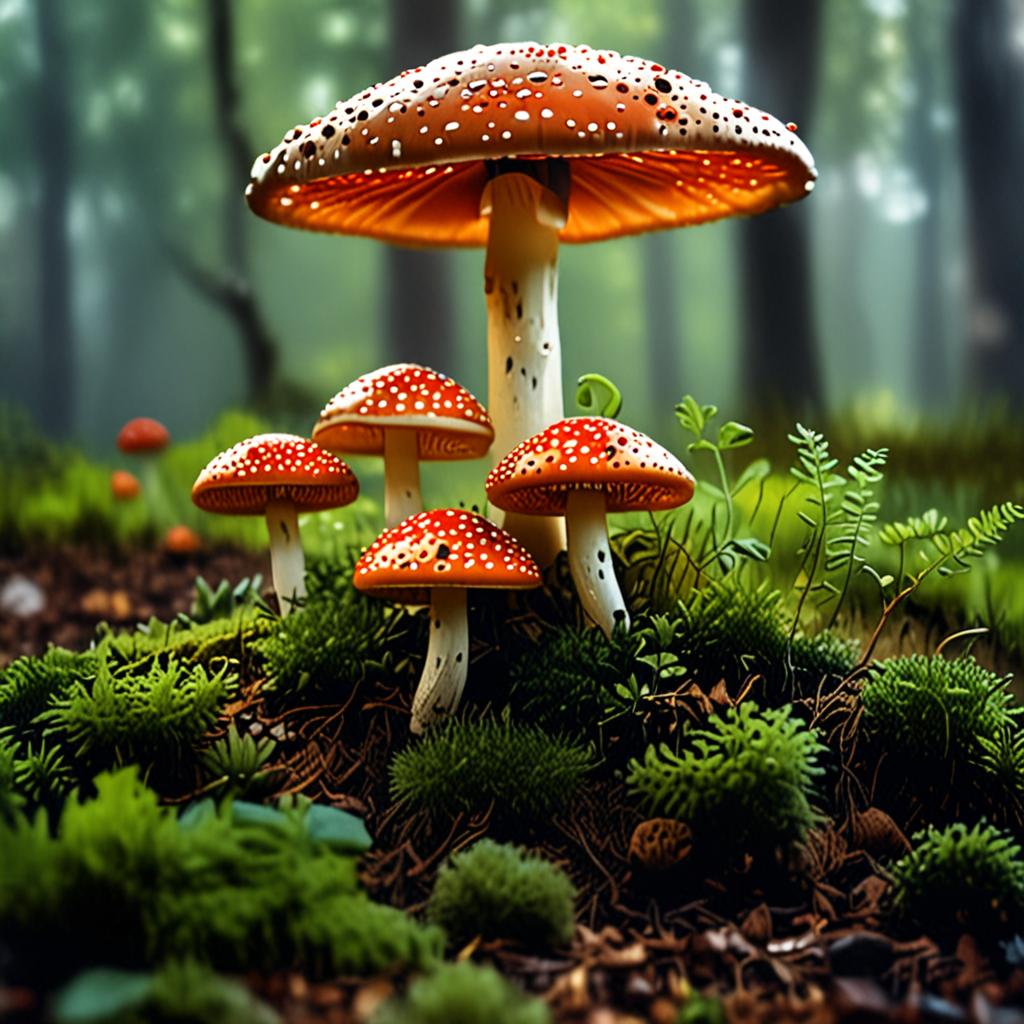
Amanita muscariaAmanita Effects, also known as the fly agaric mushroom, is a distinctive and easily recognizable mushroom that is found in a variety of habitats around the world, making it a popular target for mushroom hunting and foraging.

Identifying Amanita Muscaria

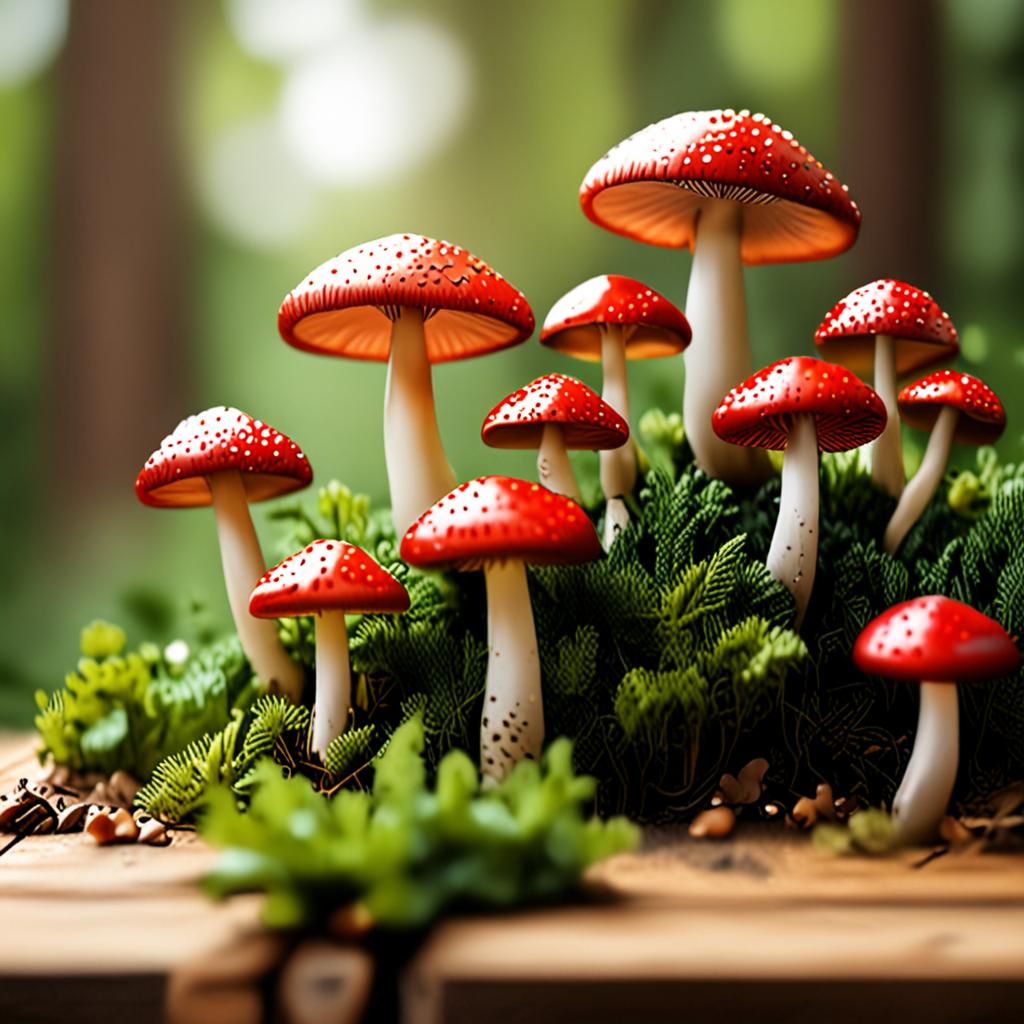
This mushroom has a distinctive appearance, with a bright red cap covered in white spots. However, it can be easily confused with other, potentially poisonous mushrooms, so it is crucial to be able to accurately distinguish Amanita muscaria from other species.

Habitat and Distribution

Amanita muscaria is most commonly found in the temperate regions of the Northern Hemisphere, including Europe, North America, and Asia. In these regions, it is found in a variety of habitats, including coniferous and deciduous forests, and is often found growing near the base of trees.

In addition to the temperate regions of the Northern Hemisphere, Amanita muscaria is also found in some tropical and subtropical regions of the world, including South America, Africa, and Australia. In these regions, the mushroom is found in a variety of habitats, including rainforests, grasslands, and savannas.

Tips for Mushroom Hunting

When hunting for Amanita muscaria, it is essential to be mindful of the environment in which you are collecting the mushrooms. This mushroom is often found in wooded areas, and can be found growing on the ground, near the base of trees. It is crucial to respect the ecosystem in which you are collecting the mushrooms, and to take only what you need, leaving plenty of mushrooms for other animals and plants to use.

To maximize your chances of finding Amanita muscaria mushrooms, it is a good idea to look for them in areas where they are known to grow, such as in wooded areas with coniferous trees. It is also a good idea to keep an eye out for other signs of the mushroom, such as flies and other insects that are attracted to the mushroom’s sweet smell.

In terms of timing, it is generally best to look for Amanita muscaria mushrooms in the late summer and early fall, when the weather is cooler and the mushrooms are most likely to be visible. However, it is essential to keep in mind that the timing of mushroom growth can vary significantly depending on the location and climate, so it is always a good idea to do some research and to keep an eye out for the specific conditions in which Amanita muscaria mushrooms are most likely to grow.

For more information on mushroom products, visit our website.

Disclaimer: The content provided is for generalMicrodosing Info wellness information and is not intended to diagnose, treat, cure, or prevent any disease. If you have any concerns, please consult a healthcare professional.
Posted on Leave a comment

Amanita Mushroom Family

Amanita is a large and widely distributed genus of mushrooms that contains over 600 species. Within this genus, there are a number of distinct groups of Amanita mushrooms, each with its own unique characteristics and features.

Amanita Identification and Species

Some of the main groups of Amanita mushrooms include:

Amanita muscaria: Amanita muscaria,Amanita Effects also known as the fly agaric, is a distinctive mushroom with a bright red cap covered in white spots. It is one of the most well-known and widely recognized Amanita mushrooms, and is found in a variety of habitats around the world.

Amanita muscaria
Amanita Muscaria

Amanita pantherina: Amanita pantherina, also known as the panther mushroom, is a medium to large mushroom with a brown or gray cap. It is found in a variety of habitats, including forests and grasslands, and is distributed throughout much of the Northern Hemisphere.

Amanita pantherina
Amanita pantherina

Amanita phalloides: Amanita phalloides, also known as the death cap, is a highly poisonous mushroom that is found in a variety of habitats, including forests, grasslands, and gardens. It is one of the most toxic mushrooms in the world, and can cause severe illness or death if ingested.

Amanita phalloides
Amanita phalloides

Amanita caesarea: Amanita caesarea, also known as the Caesar’s mushroom, is a medium to large mushroom with a bright orange cap and yellow gills. It is found in a variety of habitats, including wooded areas, and is distributed throughout much of Europe and Asia.

Amanita caesarea
Amanita caesarea

Amanita fulva: Amanita fulva, also known as the tawny grisette, is a medium to large mushroom with a yellow or orange cap and white gills. It is found in a variety of habitats, including wooded areas, and is distributed throughout much of Europe and North America.

Amanita fulva
Amanita fulva

These are justMicrodosing Guide a few examples of the manyMicrodosing Amanita different groups of Amanita mushrooms that are found around the world. There are many other species of Amanita mushrooms, each with its own unique characteristics and features.

Disclaimer: This content is for general wellness information and is not intended to diagnose, treat, cure, or prevent any disease. The products mentioned are not intended to diagnose, treat, cure, or prevent any disease.

Posted on Leave a comment

Amanita Muscaria History

Amanita muscaria, also known as the fly agaric, is a distinctive mushroom with a rich history of traditional use. It has been the subject of myth, legend, and fascination for centuries, and is still shrouded in mystery and controversy today.

Amanita muscaria illustration
Illustration from 1911 Encyclopædia Britannica

According to the Encyclopedia Britannica, the Amanita muscaria history dates back to ancient times, with traditional use as a medicinal and psychoactive plant by cultures around the world, including in Siberia, where it has a long history of use in indigenous shamanic practices.

In Siberia, the Amanita muscaria mushroomAmanita Effects was used as part of a spiritual practice to induce visions and facilitate communication with the spirit world. The fly agaric history also includes its use for medicinal properties, with beliefs that it could cure various ailments.

Siberia landscape
Autumn in Siberia

The Amanita muscaria mushroom has also played a role in various mythologies and folklore around the world, including in European cultures where it was associated with the supernatural, and in Norse mythology where it was believed to be the ‘food of the gods’.

Shamans performing rituals
Shaman performing rituals

Despite its long history of traditional use, the Amanita muscaria mushroom remains a controversial substance due to its potential toxicity. It is essential to exercise caution and consult with a healthcare professional before considering its useMicrodosing Amanita.

In conclusion, the Amanita muscaria mushroom is a fascinating plant with a rich history of traditional use and a significant role in myth and folklore. However, its use should be approached with cautionMicrodosing Guide due to its controversial nature and potential toxicity.

Disclaimer: This content is for general wellness information and is not intended to diagnose, treat, cure, or prevent any disease. The products mentioned are not intended to diagnose, treat, cure, or prevent any disease.

Preliminary Research on Amanita Muscaria’s Potential Benefits

Preliminary research suggests that Amanita muscaria may support various health benefits, including antioxidant and anti-inflammatory properties. However, more research is needed to fully understand its potential effects on human health. Some studies have investigated the mushroom’s potential to support immune system function and overall well-being, but further investigation is required to confirm these findings.

Research laboratory
Research laboratory

Traditional Use of Amanita Muscaria in Modern Times

Despite its long history of traditional use, Amanita muscaria is still used today in some modern practices, including microdosing and shamanic rituals. However, its use should be approached with caution due to its potential toxicity and controversial nature. Some modern practitioners believe that the mushroom may support spiritual growth and self-awareness, but more research is needed to understand its effects in a modern context.

Modern shaman
Modern shamanic practice

Future Directions for Amanita Muscaria Research

More research is needed to fully understand the effects of Amanita muscaria on human health and its potential benefits and risks. Future studies may investigate the mushroom’s potential to support mental health, cognitive function, and overall well-being. Additionally, research into the mushroom’s toxicity and potential interactions with other substances is necessary to ensure safe use. As research continues to emerge, it is essential to approach Amanita muscaria with caution and consult with a healthcare professional before considering its use.

Future research directions
Posted on Leave a comment

Amanita Muscaria: Tincture vs Extract

When exploring the world of Amanita Muscaria, you’ll often encounter two primary forms: amanita muscaria tincture and amanita extract. While both aim to deliver the mushroom’s bioactive compounds, their preparation methods and potency differ significantly. Understanding these distinctions is crucial for choosing the right product for your needs and exploring the potential benefits of Amanita Muscaria, a natural supplement.

Amanita Muscaria Tinctures: Traditional & Accessible

Tinctures represent one of the more traditional and accessible Amanita Muscaria preparation methods. Generally simpler and less costly to produce than extracts, tinctures are typically made using alcohol as a solvent. For instance, a fresh Amanita Muscaria tincture often utilizes a mushroom-to-alcohol ratio. Traditionally, Amanita Muscaria has been used for various purposes, including its potential benefits for general wellness.

Amanita Muscaria
Fresh Amanita Muscaria

Conversely, dried Amanita Muscaria tinctures involve a higher concentration of alcohol and a different dilution ratio. This form of Amanita Muscaria preparation can sometimes be used both internally and externally, depending on the specific application and safety considerations.

Dried Amanita Muscaria

Amanita Muscaria Extracts: Unlocking Higher Potency and Purity

This is where amanita muscaria extract offers a distinct advantage. Designed to achieve a higher concentration of active substances, extracts move beyond the limitations of simple tinctures. The extract preparation process is a sophisticated endeavor, employing various solvents and advanced extraction techniques along with specialized equipment and expert knowledge.

Laboratory equipment

Types of Extracts and the Power of Standardization

Amanita Muscaria extracts come in various forms, including liquid, soft, and dry powders. While all extracts aim for higher concentration, the gold standard in the industry is the standardized mushroom extract. Unlike basic extracts, standardized versions ensure a consistent amount of key active ingredients in every batch.

Standardized Amanita Muscaria extracts may offer a more predictable experience due to their consistent dosage and potency. However, it’s essential to note that individual results may vary, and more research is needed to fully understand the effects of Amanita Muscaria.

Liquid extracts
Liquid extracts

Calm Mushroom’s Innovation: A Standardized Water-Based Amanita Muscaria Extract

At Calm Mushroom, we’ve developed a proprietary technology for obtaining a standardized water-based extract. Our process avoids the use of ethanol and high temperatures, ensuring the delicate bioactive compounds, beneficial polysaccharides, and natural vitamins present in the mushroom are preserved.

Through precise analysis conducted in a specialized laboratory, we ensure a consistent and reliable product. Our quality control process involves detecting and eliminating any potentially dangerous concentrations of substances.

Ensuring Safety: Ibotenic Acid Decarboxylation

A cornerstone of our commitment to safe Amanita Muscaria products is our meticulous technology and quality control throughout both the raw material drying and extraction phases. We employ a precise ibotenic acid decarboxylation process to convert this substance into muscimol.

Experience the Difference with Calm Mushroom Extracts

The distinction between an amanita muscaria tincture and a high-potency amanita extract is clear: it lies in consistency, concentration, and ultimately, the potential benefits. While tinctures offer a simpler approach, our advanced Amanita Muscaria extraction technology delivers unparalleled potency and purity.

As a result, Calm Mushroom offers a natural, standardized water-based extract of Amanita Muscaria. With its high concentration of beneficial bioactive compounds and meticulous quality control, it empowers you to explore the potential benefits of mushroom extracts with confidence.

Calm Mushroom Standardized Water-Based Extract

Ready to explore the potential benefits? Discover our premium Calm Mushroom Standardized Water-Based Extract today.

Looking for other high-quality Amanita Muscaria products? Explore our range:

Please note that the content provided is for general wellness information and not intended to diagnose, treat, cure, or prevent any disease. The information on this page has not been evaluated by the FDA. As with any supplement, consult with a healthcare professional before using Amanita Muscaria products.

Posted on

TGA Analysis for Calm Mushroom Extract

TGA Laboratory Analysis for Calm Mushroom Extract

At Calm Mushroom, we prioritize the quality and safety of our mushroom extract products. To ensure the highest standards, we conduct rigorous TGA (Thermogravimetric Analysis) laboratory tests on our extracts, including our Calm MushroomResin Extract Resin Extract.

The TGA analysis involves determining the change in mass of the material as it is heated, allowing us to identify the components present in the extract and their respective temperatures of destruction. This method provides valuable insights into the composition and purity of our mushroom extract.

Our TGA analysis helps us understand the composition of our mushroom extract. Traditionally, Amanita mushrooms have been used for their potential wellness benefits, and some preliminary research suggests that compounds found in these mushrooms, such as muscimol, may have certain effects. However, more human research is needed to fully understand these potential benefits.

TGA analysis graph

Our mushroom extract may contain various substances, including muscimolMuscimol Benefits, ibotenic acid, and muscazone, which are found in Amanita mushrooms. However, the exact composition may vary depending on the specific extract and production methods.

It’s essential to note that while our mushroom extract products are made from high-quality ingredients and undergo rigorous testing, they are not intended to diagnose, treat, cure, or prevent any disease. If you have any health concerns or questions, please consult with a qualified healthcare professional.

Conclusion

Our TGA laboratory analysis ensures the quality and safety of our Calm Mushroom extract products. We are committed to providing high-quality products, and we always recommend consulting with a healthcare professional before using any new supplement or product.

Disclaimer: The content provided is for general wellness information purposes only and is not intended to be a substitute for medical advice. Our products are not intended to diagnose, treat, cure, or prevent any disease. Please consult with a qualified healthcare professional before using any new supplement or product.

Posted on

Hangxiety Relief with Muscimol

Ever experienced hangxiety, a phenomenon characterized by feelings of dread, anxiety, or panic after a night of drinking? This common issue is often linked to the impact of alcohol on GABA, a crucial neurotransmitter for emotional balance. Muscimol, a compound found in certain mushroom supplements, has been shown to mimic GABA’s effects, potentially offering a natural approach to restoring balance and alleviating hangxiety symptoms.

Person experiencing hangover anxiety, looking stressed after a night of drinking.
Understanding the aftermath of over-indulgence and its effects on mental well-being.

The Science Behind Hangxiety: Alcohol, GABA, and Muscimol

Alcohol’s impact on GABA levels can lead to an imbalance, resulting in heightened anxiety and agitation. Muscimol, with its GABA-agonist properties, may help decrease anxiety levels and support brain health. By interacting with GABA receptors, muscimol can promote relaxation and reduce the symptoms associated with hangxiety.

GABA’s Role in the Nervous System and Hangxiety

GABA plays a vital role in regulating neuronal excitability, facilitating communication throughout the brain and nervous system. An imbalance can lead to increased anxiety and stress, underscoring the importance of maintaining healthy GABA levels. Alcohol’s disruption of GABA production can have significant effects on mental well-being, making muscimol a potential natural remedy for hangxiety relief.

Chemical structure of Gamma-aminobutyric acid (GABA), an inhibitory neurotransmitter.
The chemical structure of Gamma-aminobutyric acid (GABA).

Muscimol and Hangxiety Relief

At Calm Mushroom, our products contain muscimol, which may help alleviate hangxiety symptoms by supporting GABA levels and promoting relaxation. By incorporating our muscimol-rich mushroom supplements into your routine, you can support your body’s natural recovery process after alcohol consumption, promoting better brain health and cognitive function.

Explore our range of muscimol-rich mushroom supplements designed for your well-being:

Please note that the content provided is for general wellness information and not intended to diagnose, treat, cure, or prevent any disease. Consult with a healthcare professional before using any supplements.

Posted on

Calm Mushroom Tincture for Anxiety Relief

Natural Anxiety Relief with Calm Mushroom Tincture

At Calm Mushroom, we believe in harnessing the power of nature to promote wellness. Our Calm Mushroom Amanita Muscaria Standardized Water-Based Extract is the result of extensive research and a commitment to unparalleled purity and potency, traditionally used for promoting overall wellness and natural stress relief.

Through advanced extraction techniques, we skillfully free beneficial polysaccharides and key active substances from indigestible chitin, preserving them in our premium mushroom extract. This process ensures a consistent extract that stands apart, supporting natural wellness and anxiety relief.

Calm Mushroom extract

Achieving Unmatched Standardization & Purity

Producing a truly effective Amanita Muscaria extract requires more than just raw material. Our unique water-basedWater Based Extracts mushroom extract technology focuses on ensuring a consistent extract, with muscimol as one of its primary active ingredients, which has been traditionallyAmanita Effects used for various purposes, including natural anxietyStress Relief relief and stress relief.

Our Calm Mushroom Extract is formulated with Amanita Muscaria resin, expertly dissolved in a blend of vegetable glycerin and water. Some preliminary research suggests that the compounds found in Amanita Muscaria may have potential benefits, although more human research is needed to fully understand its effects.

Experience the Benefits: Natural Supplements for Wellness

The unique properties of our Amanita Muscaria extract offer versatile support for your well-being, and have been traditionally used for promoting overall wellness. As a natural plant-based supplement, it embodies our dedication to natural wellness, and may be used as part of a holistic approach to health, providing natural stress relief and anxiety relief.

  • Potential Uses: Our extract may be used to support overall wellness, including natural anxiety relief and stress relief, although individual results may vary.
  • Traditional Use: Amanita Muscaria has been traditionally used for various purposes, including promoting relaxation and reducing stress.
  • Natural Ingredients: Our extract is made with natural ingredients, including Amanita Muscaria resin, vegetable glycerin, and water.

Beyond being ibotenic acid free, Calm Mushroom Standardized Water-Based Extract is also completely alcohol-free, thanks to its pure water-based formulation. As a natural supplement, it is an excellent choice for those seeking a mushroom extract for overall wellness and natural anxiety relief.

Please note that the content provided is for general wellness information and not intended to diagnose, treat, cure, or prevent any disease. If you have any health concerns, please consult a medical professional. Our products are not intended to diagnose, treat, cure, or prevent any disease, and individual results may vary.

Posted on

Calm Mushroom Story

At Calm Mushroom, our story is deeply rooted in the pristine natural beauty and rich traditions of Latvia, where we sustainably collect Amanita Muscaria mushrooms. We’re a dedicated family company, driven by a passion for these wild-harvested mushroomsWild Harvested and their unique place in traditional wellness.

Vibrant red cap of a wild Amanita Muscaria mushroom with white flecks, nestled in green moss
Amanita Muscaria, also known as Fly Agaric, in its natural habitat.

Latvia’s Pristine Forests: The Heart of Our Harvest

Our commitment begins in the expansive and verdant Latvian forests, where all the mushrooms used in our exclusive Calm Mushroom products are wild-harvested. We uphold the tradition of sustainable mushroom harvesting, ensuring every mushroom is collected with respect for natureSustainable Harvest.

Our Expertise & Unwavering Commitment to Quality

With years of dedicated experience, we have accumulated profound mushroom processing expertise and comprehensive knowledge regarding the traditional and potential wellness applications of Amanita Muscaria. We deliver consistently superior natural mushroom supplementsMushroom Supplements, enforcing stringent quality control protocols at every stage.

At Calm Mushroom, our story is one of respect for nature, deep expertise, and an unwavering commitment to bringing you the finest Latvian wild mushrooms for your natural wellness journey. Explore our range and experience the Calm Mushroom difference.

Please note that the content provided is for general wellness information and not intended to diagnose, treat, cure, or prevent any disease. Consult a healthcare professional before using any supplements.

Preliminary Research and Potential Wellness Applications

Preliminary research suggests that Amanita Muscaria may support various aspects of traditional wellness, although more research is needed to fully understand its potential benefits. Some studies indicate that compounds found in this mushroom may have antioxidant and anti-inflammatory properties, which could contribute to overall well-being. However, it is essential to consult with a healthcare professional before using any supplements, as individual results may vary.

Sustainable Harvesting Practices and Environmental Stewardship

At Calm Mushroom, we prioritize sustainable harvesting practices to ensure the long-term health of Latvia’s pristine forests. Our team of experienced foragers adheres to strict guidelines, carefully selecting and collecting mushrooms in a way that minimizes environmental impact. By promoting eco-friendly practices, we aim to preserve the natural beauty of these forests for future generations. Additionally, our commitment to sustainability extends to our production processes, where we strive to reduce waste and minimize our carbon footprint.

Traditional Uses and Cultural Significance of Amanita Muscaria

Amanita Muscaria has been used in traditional wellness practices for centuries, with its unique properties and cultural significance varying across different regions. In some cultures, this mushroom is considered a sacred plant, used in rituals and ceremonies to promote spiritual growth and balance. While its traditional uses are well-documented, more research is needed to fully understand the potential benefits and risks associated with its consumption. As a responsible supplier of Amanita Muscaria products, we encourage customers to approach its use with respect and caution, and to consult with a healthcare professional before adding it to their wellness routine.