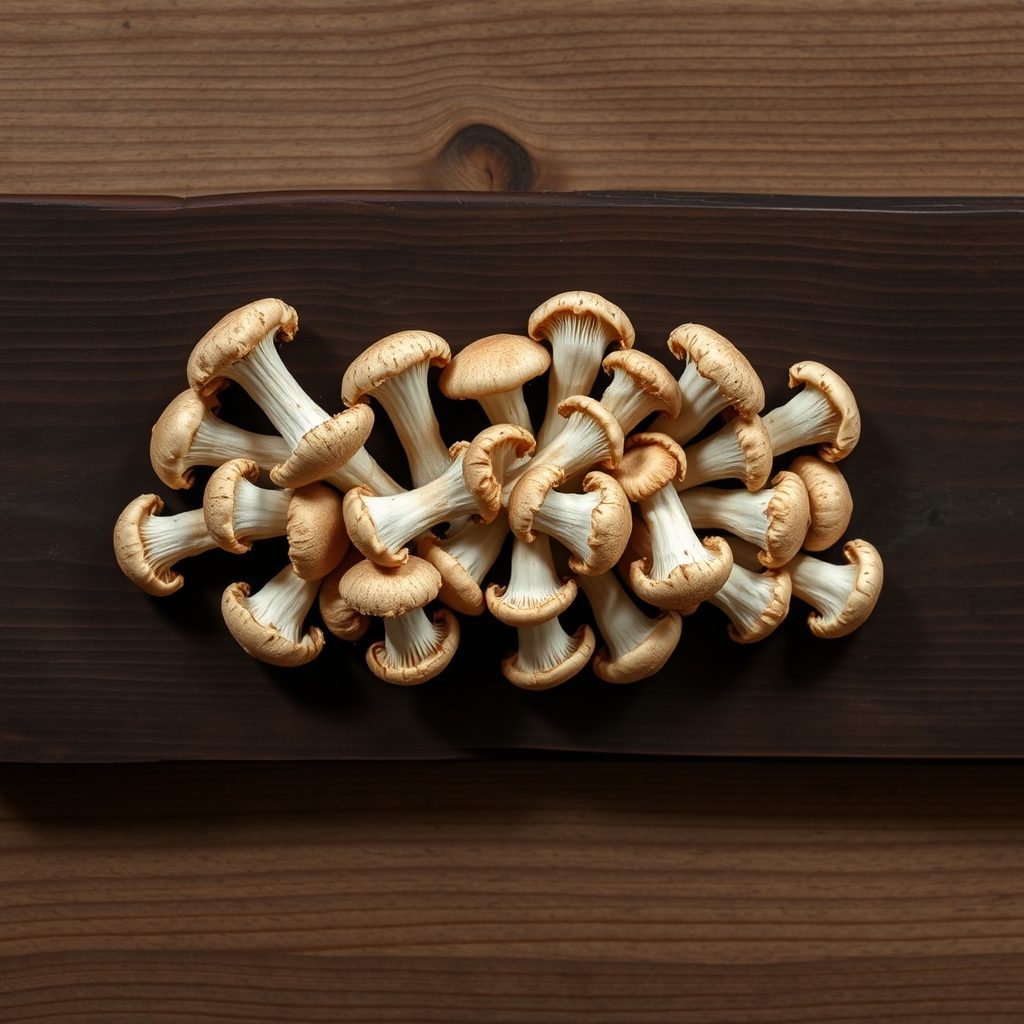
Medicinal fungi cultivation has been a topic of interest for centuries, with various species being used for their potential benefits. The process of cultivating these fungi involves creating a controlled environment that mimics their natural habitat, allowing them to grow and thrive. Medicinal fungi cultivation is a complex process that requires careful attention to detail, from the selection of the right species to the optimization of growing conditions. For example, Amanita muscaria is a species that has been traditionally used, and is now being cultivated using advanced techniques, such as double extraction methods, to create high-quality extracts like our Calm Mushroom Standardized Water-Based Extract, which is made from hand-harvested Amanita muscaria fruiting bodies, sourced from local mushroom pickers in Latvia.
History of Medicinal Fungi Cultivation
The history of medicinal fungi cultivation dates back centuries, with various cultures using fungi for their potential benefits. In traditional Chinese medicine, for example, fungi have been used for their potential benefits for thousands of years. According to a study published in Microbial Biosystems, the traditional view on mycobiota has changed throughout history, with past scholars and scientists playing a major role in shaping our understanding of fungi. Preliminary research suggests that some species of fungi, such as Hericium erinaceus, may have potential benefits, as noted in studies such as Ecological and economic aspects of the cultivation of the medicinal lion’s mane mushroom.
Benefits of Medicinal Fungi Cultivation
Medicinal fungi cultivation may support various applications, including the production of bioactive compounds. Some species of fungi, such as Hericium erinaceus, have been found to produce compounds with potential benefits. For instance, a study on Identification and partial reconstitution of the biosynthetic pathway of bioactive meroterpenoids from Hericium erinaceus highlights the potential of this species in producing valuable compounds. Additionally, Amanita muscaria has been traditionally used, and its potential benefits are being further researched, with studies like Analysis of the Ibotenic Acid, Muscimol, and Ergosterol Content of an Amanita Muscaria Hydroalcoholic Extract providing more insights into its composition.
Challenges and Opportunities
Despite the potential benefits of medicinal fungi cultivation, there are also challenges and opportunities that need to be addressed. One of the key challenges is the optimization of growing conditions, which can be complex and require careful attention to detail. However, advances in technology and our understanding of fungal biology are creating new opportunities for the cultivation of medicinal fungi. As research continues to uncover the potential benefits of medicinal fungi, we can expect to see increased interest in this field.
FAQs
What is medicinal fungi cultivation?
Medicinal fungi cultivation is the process of growing fungi for their potential benefits. This can involve creating a controlled environment that mimics the natural habitat of the fungi, and optimizing growing conditions to promote healthy growth.
What are the potential applications of medicinal fungi cultivation?
The potential applications of medicinal fungi cultivation include the production of bioactive compounds and other products. Our Calm Mushroom Standardized Water-Based Extract is an example of a product that is made using medicinal fungi cultivation techniques.
How is medicinal fungi cultivation done?
Medicinal fungi cultivation involves creating a controlled environment that mimics the natural habitat of the fungi, and optimizing growing conditions to promote healthy growth. This can involve the use of advanced techniques, such as double extraction methods, to create high-quality extracts.
What is the future of medicinal fungi cultivation?
The future of medicinal fungi cultivation is promising, with advances in technology and our understanding of fungal biology creating new opportunities for the cultivation of medicinal fungi. As research continues to uncover the potential benefits of medicinal fungi, we can expect to see increased interest in this field.
References
Ecological and economic aspects of the cultivation of the medicinal lion’s mane mushroom
This content is for general information only and is not medical advice. Our products are not intended to diagnose, treat, cure, or prevent any disease. If you are interested in learning more about medicinal fungi cultivation, we recommend consulting with a qualified healthcare professional or visiting our website to learn more about our Calm Mushroom Standardized Water-Based Extract.