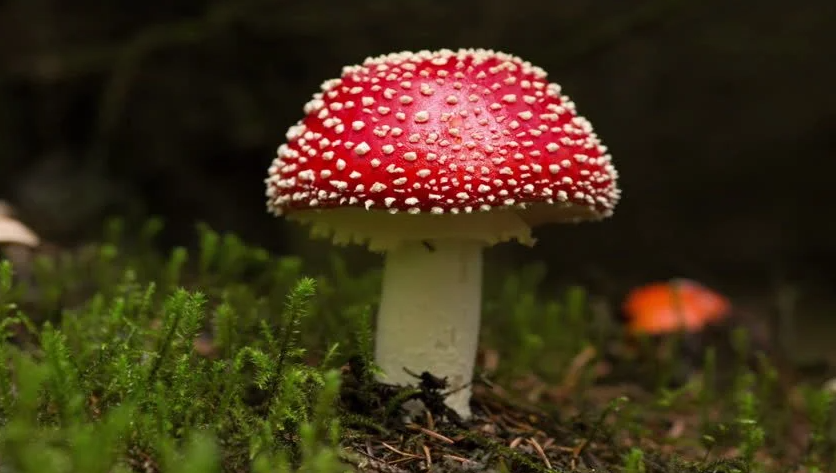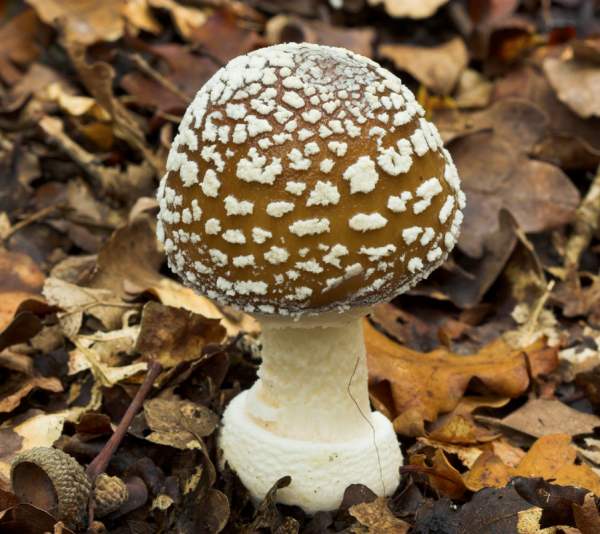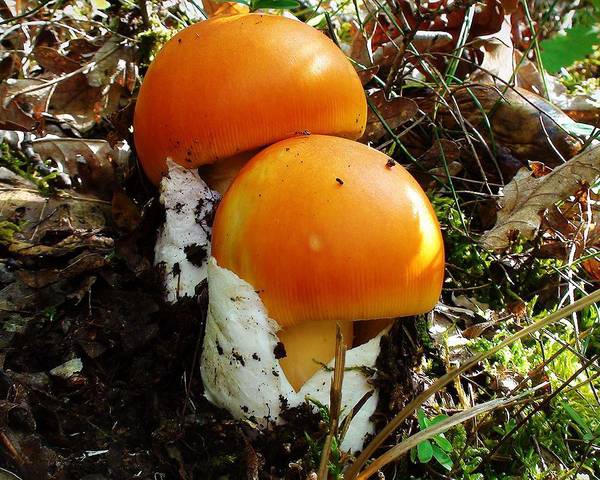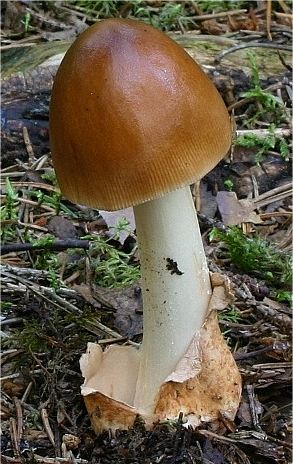
Amanita muscariaAmanita Effects, also known as the fly agaric mushroom, is a distinctive and easily recognizable mushroom that is found in a variety of habitats around the world, making it a popular target for mushroom hunting and foraging.
Identifying Amanita Muscaria
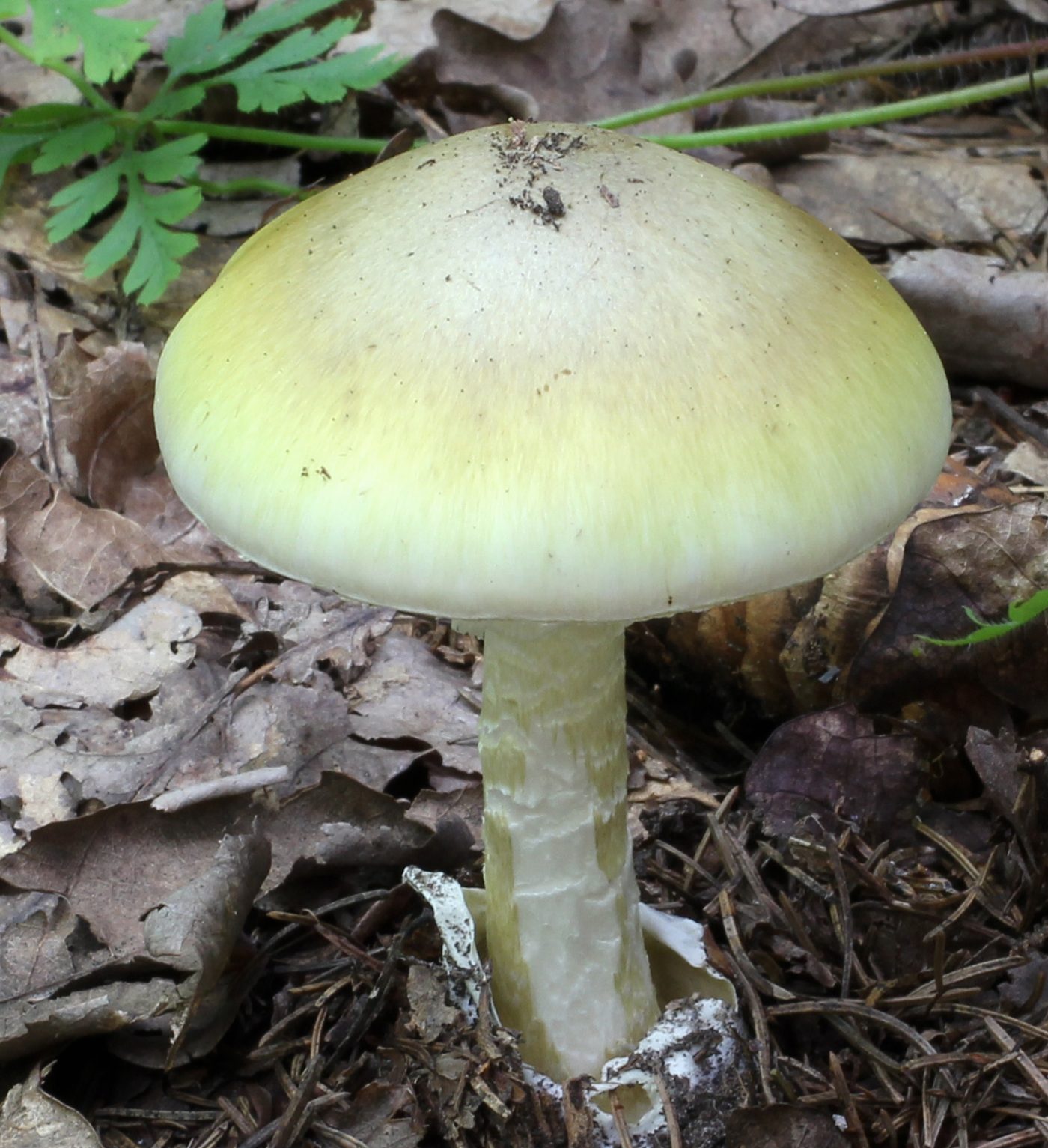
This mushroom has a distinctive appearance, with a bright red cap covered in white spots. However, it can be easily confused with other, potentially poisonous mushrooms, so it is crucial to be able to accurately distinguish Amanita muscaria from other species.
Habitat and Distribution
Amanita muscaria is most commonly found in the temperate regions of the Northern Hemisphere, including Europe, North America, and Asia. In these regions, it is found in a variety of habitats, including coniferous and deciduous forests, and is often found growing near the base of trees.
In addition to the temperate regions of the Northern Hemisphere, Amanita muscaria is also found in some tropical and subtropical regions of the world, including South America, Africa, and Australia. In these regions, the mushroom is found in a variety of habitats, including rainforests, grasslands, and savannas.
Tips for Mushroom Hunting
When hunting for Amanita muscaria, it is essential to be mindful of the environment in which you are collecting the mushrooms. This mushroom is often found in wooded areas, and can be found growing on the ground, near the base of trees. It is crucial to respect the ecosystem in which you are collecting the mushrooms, and to take only what you need, leaving plenty of mushrooms for other animals and plants to use.
To maximize your chances of finding Amanita muscaria mushrooms, it is a good idea to look for them in areas where they are known to grow, such as in wooded areas with coniferous trees. It is also a good idea to keep an eye out for other signs of the mushroom, such as flies and other insects that are attracted to the mushroom’s sweet smell.
In terms of timing, it is generally best to look for Amanita muscaria mushrooms in the late summer and early fall, when the weather is cooler and the mushrooms are most likely to be visible. However, it is essential to keep in mind that the timing of mushroom growth can vary significantly depending on the location and climate, so it is always a good idea to do some research and to keep an eye out for the specific conditions in which Amanita muscaria mushrooms are most likely to grow.
For more information on mushroom products, visit our website.
Disclaimer: The content provided is for generalMicrodosing Info wellness information and is not intended to diagnose, treat, cure, or prevent any disease. If you have any concerns, please consult a healthcare professional.