
Amanita muscaria, also known as the fly agaric, is a distinctive mushroom with a rich history of traditional use. It has been the subject of myth, legend, and fascination for centuries, and is still shrouded in mystery and controversy today.

According to the Encyclopedia Britannica, the Amanita muscaria history dates back to ancient times, with traditional use as a medicinal and psychoactive plant by cultures around the world, including in Siberia, where it has a long history of use in indigenous shamanic practices.
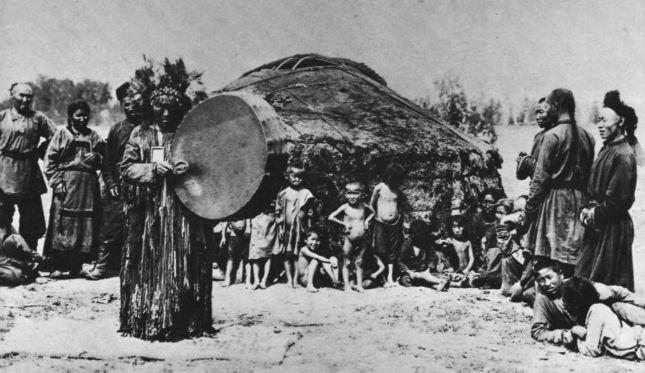
In Siberia, the Amanita muscaria mushroomAmanita Effects was used as part of a spiritual practice to induce visions and facilitate communication with the spirit world. The fly agaric history also includes its use for medicinal properties, with beliefs that it could cure various ailments.

The Amanita muscaria mushroom has also played a role in various mythologies and folklore around the world, including in European cultures where it was associated with the supernatural, and in Norse mythology where it was believed to be the ‘food of the gods’.
Despite its long history of traditional use, the Amanita muscaria mushroom remains a controversial substance due to its potential toxicity. It is essential to exercise caution and consult with a healthcare professional before considering its useMicrodosing Amanita.
In conclusion, the Amanita muscaria mushroom is a fascinating plant with a rich history of traditional use and a significant role in myth and folklore. However, its use should be approached with cautionMicrodosing Guide due to its controversial nature and potential toxicity.
Disclaimer: This content is for general wellness information and is not intended to diagnose, treat, cure, or prevent any disease. The products mentioned are not intended to diagnose, treat, cure, or prevent any disease.
Preliminary Research on Amanita Muscaria’s Potential Benefits
Preliminary research suggests that Amanita muscaria may support various health benefits, including antioxidant and anti-inflammatory properties. However, more research is needed to fully understand its potential effects on human health. Some studies have investigated the mushroom’s potential to support immune system function and overall well-being, but further investigation is required to confirm these findings.

Traditional Use of Amanita Muscaria in Modern Times
Despite its long history of traditional use, Amanita muscaria is still used today in some modern practices, including microdosing and shamanic rituals. However, its use should be approached with caution due to its potential toxicity and controversial nature. Some modern practitioners believe that the mushroom may support spiritual growth and self-awareness, but more research is needed to understand its effects in a modern context.

Future Directions for Amanita Muscaria Research
More research is needed to fully understand the effects of Amanita muscaria on human health and its potential benefits and risks. Future studies may investigate the mushroom’s potential to support mental health, cognitive function, and overall well-being. Additionally, research into the mushroom’s toxicity and potential interactions with other substances is necessary to ensure safe use. As research continues to emerge, it is essential to approach Amanita muscaria with caution and consult with a healthcare professional before considering its use.
